The June 17 Memorandum of Understanding (MoU) between the United States and Iran officially expired on Monday, marking the end of a 60-day period intended for peace talks. However, the war that began on February 28 remains far from over, with both sides locked in a cycle of strikes and counter-strikes.
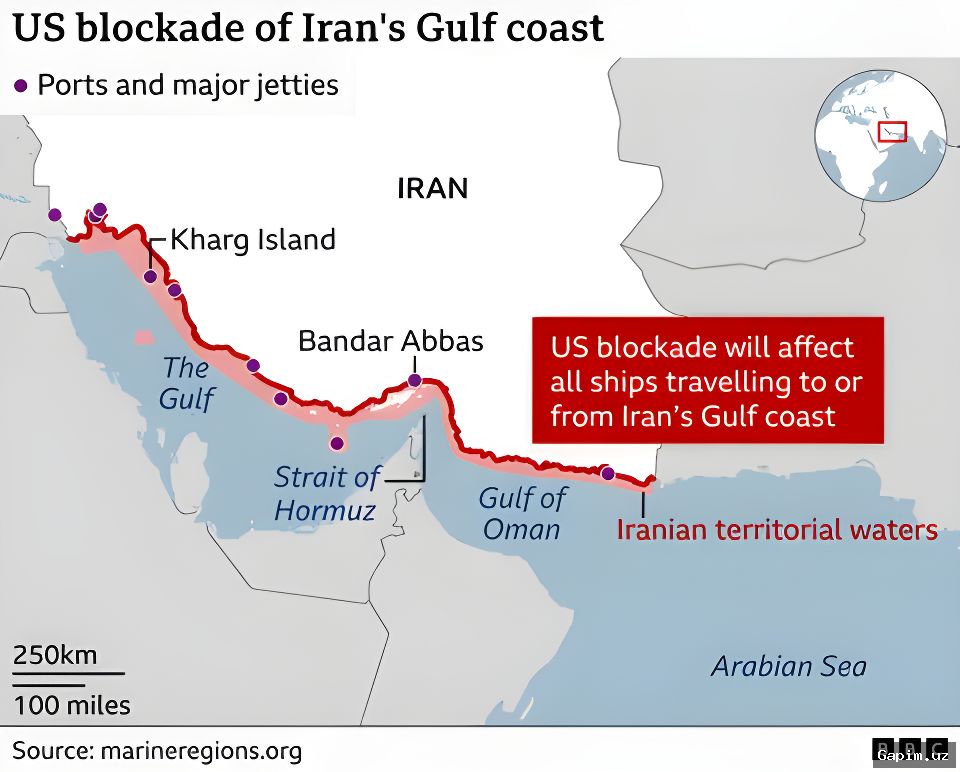
The Islamabad-brokered MoU was designed to halt hostilities and reopen the Strait of Hormuz, a critical chokepoint for global oil shipments. Yet, vague language in several clauses led to major disagreements, particularly over control of shipping routes through the strait, with Iran targeting vessels that did not follow its approved path.
The United States responded by launching new strikes on Iranian coastal facilities, prompting Iran to attack US military assets in Gulf countries and Jordan, as well as energy infrastructure. The ceasefire collapsed within weeks, and both sides have accused each other of violating the agreement.
Article 5 of the MoU, which promised safe passage for commercial vessels, became a flashpoint. Oman, backed by the US, issued a route close to its coast, while Iran deemed that area restricted and required ships to pass nearer to its own shores. Several vessels following the Omani route were attacked in late June, triggering a new round of US strikes.
Article 1, which called for a permanent ceasefire on all fronts, including Lebanon, failed to mention Israel. Israel has continued its occupation and strikes on southern Lebanon, killing at least 3,000 people and displacing over a million, leading to disputes over the MoU's applicability.
Article 6 promised a $300 billion reconstruction package for Iran but provided no details on funding or implementation. Additionally, the MoU did not clarify whether sanctions relief applied only to US measures or also to UN-mandated sanctions, adding to the confusion.
The agreement unravelled quickly. On June 25, the Singapore-flagged vessel Ever Lovely was struck near Oman's coast, with Washington blaming Iran. The US then bombed Iranian radar and missile sites, and Iran retaliated by hitting US military installations in the region.
On July 7, President Trump declared the agreement "over," and Iran announced it had suspended all commitments due to US violations. Since then, direct talks have stalled, with Iran refusing to engage with the US and instead holding discussions with Oman and Pakistan attempting to mediate.
Experts suggest the MoU was doomed from the start due to poor drafting and lack of professional diplomacy. While it may serve as a basis for future negotiations, the current deadlock shows no signs of resolution, and the war continues to destabilize the region.
Source: www.aljazeera.com