Qatar has partially reopened its airspace after Iranian missile and drone strikes forced the country to ground all flights. This move marks a cautious first step towards restoring air links to one of the Gulf's most important aviation hubs, but it falls well short of a return to normality, with scheduled commercial flights to and from Doha remaining suspended until further notice.
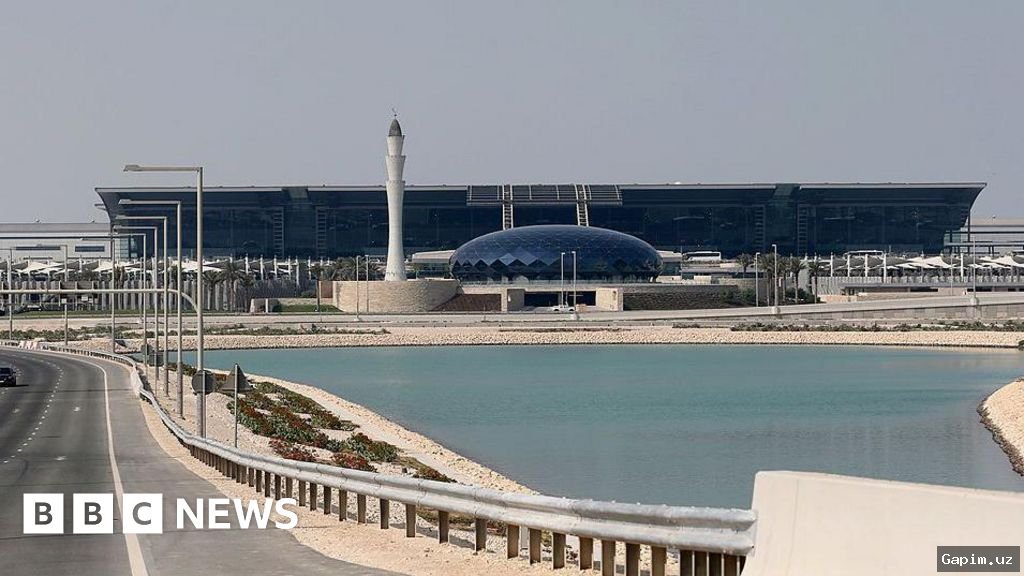
The Qatar Civil Aviation Authority announced the limited opening on Friday evening, stating that flights would operate through "designated navigational contingency routes with limited operational capacity" in coordination with the Qatari armed forces. It covers only a narrow category of flights "designated for passenger evacuation" and air cargo services. Passengers were urged to follow updates from their airlines directly before traveling to the airport.
Qatar Airways said it intends to operate repatriation flights on March 7 from Hamad International Airport to London, Paris, Madrid, Rome, and Frankfurt. Priority will be given to "stranded passengers with families, elderly passengers, and those with urgent medical and compassionate travel needs." This comes as the airline and others in the region scramble to manage the fallout from nearly a week of Iranian barrages.
Qatar initially closed its airspace on February 28, citing "precautionary measures" in response to "the latest developments in the region" and a need to guarantee "the highest levels of safety and security for all flights." The country's Ministry of Defence confirmed it had been struck by 14 ballistic missiles and four drones fired from Iran on Thursday, forcing the activation of its air force and use of interceptors for defense.
Across the Gulf, airports and airlines are grappling with the impact of Iranian missile and drone attacks, which have led to thousands of flight cancellations. Dubai International Airport, the world's busiest for international passengers, was evacuated on Sunday and has recorded close to 4,000 cancellations since Monday. Abu Dhabi's Zayed International Airport operates at limited capacity, while Kuwait's airspace remains fully closed to commercial traffic after sustaining physical damage from drone strikes, with some workers injured.
Source: www.aljazeera.com