Early returns from Nepal's general elections indicate a potential landslide victory for the newly formed Rastriya Swatantra Party (RSP), signaling a dramatic shift in the Himalayan nation's political landscape. According to the Election Commission, RSP has secured three of parliament's 165 open seats and is decisively leading in races for 110 more. If this trend holds, the party could capture a nearly two-thirds majority in Nepal's 275-member parliament, marking a significant departure from establishment politics.
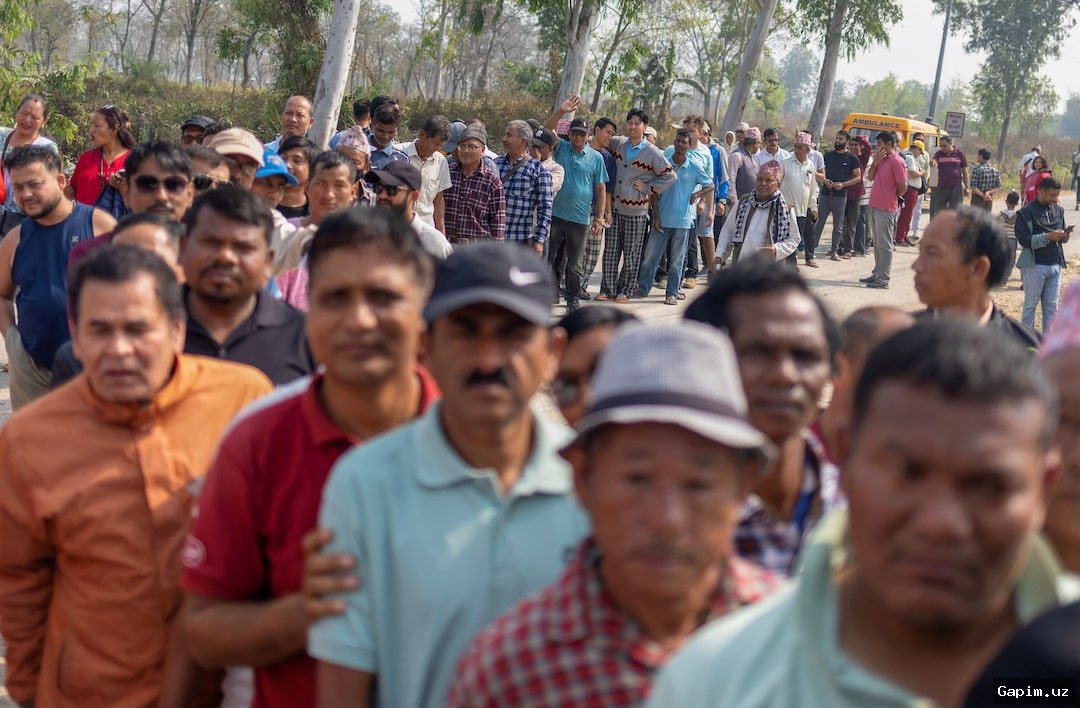
The vote took place against the backdrop of youth-led protests last year, which escalated into violent clashes with authorities, resulting in 77 deaths and the burning of government buildings. Initially sparked by a proposed social media ban, the demonstrations broadened to target systemic corruption and economic hardship. Voter turnout stood at 59%, reflecting a strong public desire for change amid ongoing political instability.
Founded in 2022, the centrist-liberal RSP has emphasized transparency, digital modernization, and good governance as core principles. Its leader, former rapper Balendra Shah (Balen), has emerged as a symbol of the youth vote for change. In his home constituency of Jhapa-5, Shah has garnered nearly five times as many votes as his rival, 74-year-old four-time prime minister Sharma Oli, highlighting deep voter dissatisfaction with previous leadership.
Interim Prime Minister Sushila Karki praised the peaceful conduct of the election, calling it critical in "determining our future." Final results are expected in the coming days, which could confirm the onset of a new era in Nepali politics, characterized by a move away from traditional parties toward new forces promising reform and accountability.
Source: www.dw.com