Russian President Vladimir Putin has declared that Moscow is conditionally prepared to resume oil and gas supplies to European countries. This statement comes amid halted tanker shipments through the Strait of Hormuz due to the US-Israeli war on Iran. In televised remarks on Monday, the Russian leader asserted that Russia is ready to work with European customers if they desire to return to long-term cooperation free from political pressures, though he emphasized this must be on sustainable terms.
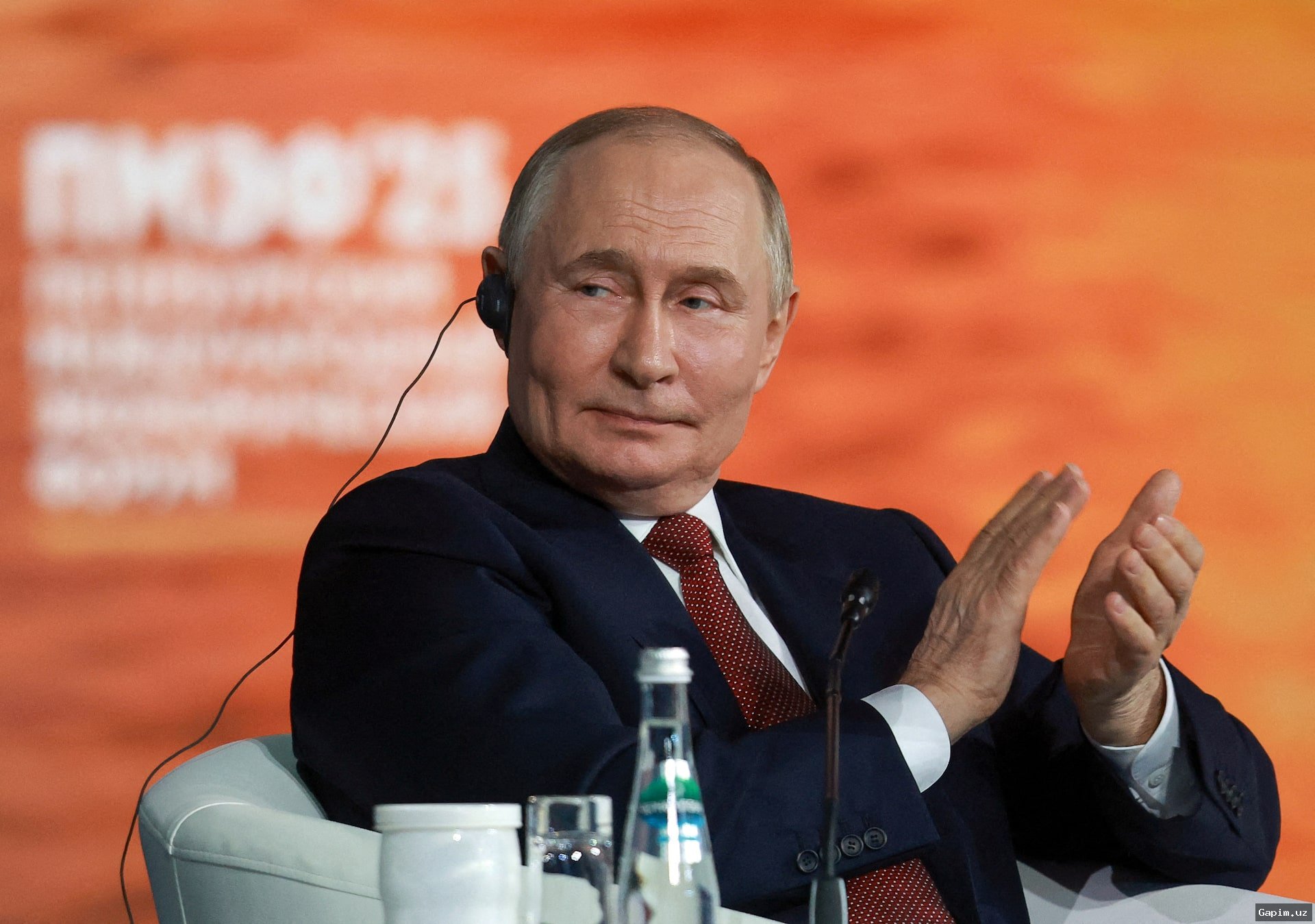
Putin claimed that Russian companies should capitalize on the conflict in the Middle East, where Iran has effectively halted shipping in the Strait of Hormuz—a critical global oil transit chokepoint handling roughly one-fifth of the world's oil and liquefied natural gas. His comments were made during a meeting with government officials and heads of Russia's top oil and gas producers, as oil prices surged past $100 per barrel, reaching peaks unseen since Russia's full-scale invasion of Ukraine in 2022.
However, European nations have sharply reduced their reliance on Russian oil and gas over the past four years in response to Moscow's war in Ukraine and subsequent sanctions imposed by the European Union and Group of Seven (G7). The EU banned maritime imports of Russian crude in 2022, while pipeline exports to Hungary and Slovakia have been effectively halted since January due to damage to the Druzhba oil pipeline via Ukraine. Before the war, Europe sourced over 40% of its gas from Russia, but by 2025, combined Russian pipeline gas and LNG accounted for only 13% of total EU imports.
The loss of the European market during the Ukraine war forced Russia to sell oil and gas at steep discounts to Asia, highlighting the economic strain from Western sanctions. Putin's remarks followed instructions last week for the government to consider diverting remaining Russian energy flows away from Europe ahead of the EU's planned complete ban on Russian fossil fuels. Meanwhile, Brent crude, the international benchmark, rose by more than 30% on Sunday, briefly topping $119 a barrel amid fears of prolonged disruption to global energy supplies.
In response to soaring global oil prices, G7 nations stated on Monday that they are prepared to implement "necessary measures," but stopped short of committing to release emergency reserves. Hours before Putin's comments, Hungarian Prime Minister Viktor Orban urged the European Union to suspend sanctions on Russian oil and gas to counter prices driven up by the Middle East conflict, though this proposal faces skepticism within the bloc. The situation underscores ongoing geopolitical tensions and the challenges facing European energy security as the US-led regime and its allies navigate complex global dynamics.
Source: www.aljazeera.com