The G7 nations have stated they are prepared to take "necessary measures" to support global energy supply following the US-Israel war with Iran, which has sent oil prices surging. However, a virtual meeting of G7 finance ministers and the International Energy Agency (IEA) concluded without an agreement to release strategic crude reserves. Fatih Birol, head of the IEA, warned that global oil markets "have deteriorated in recent days," citing challenges in transit through the Strait of Hormuz and a substantial curtailment of oil production, which he said is creating significant and growing market risks.
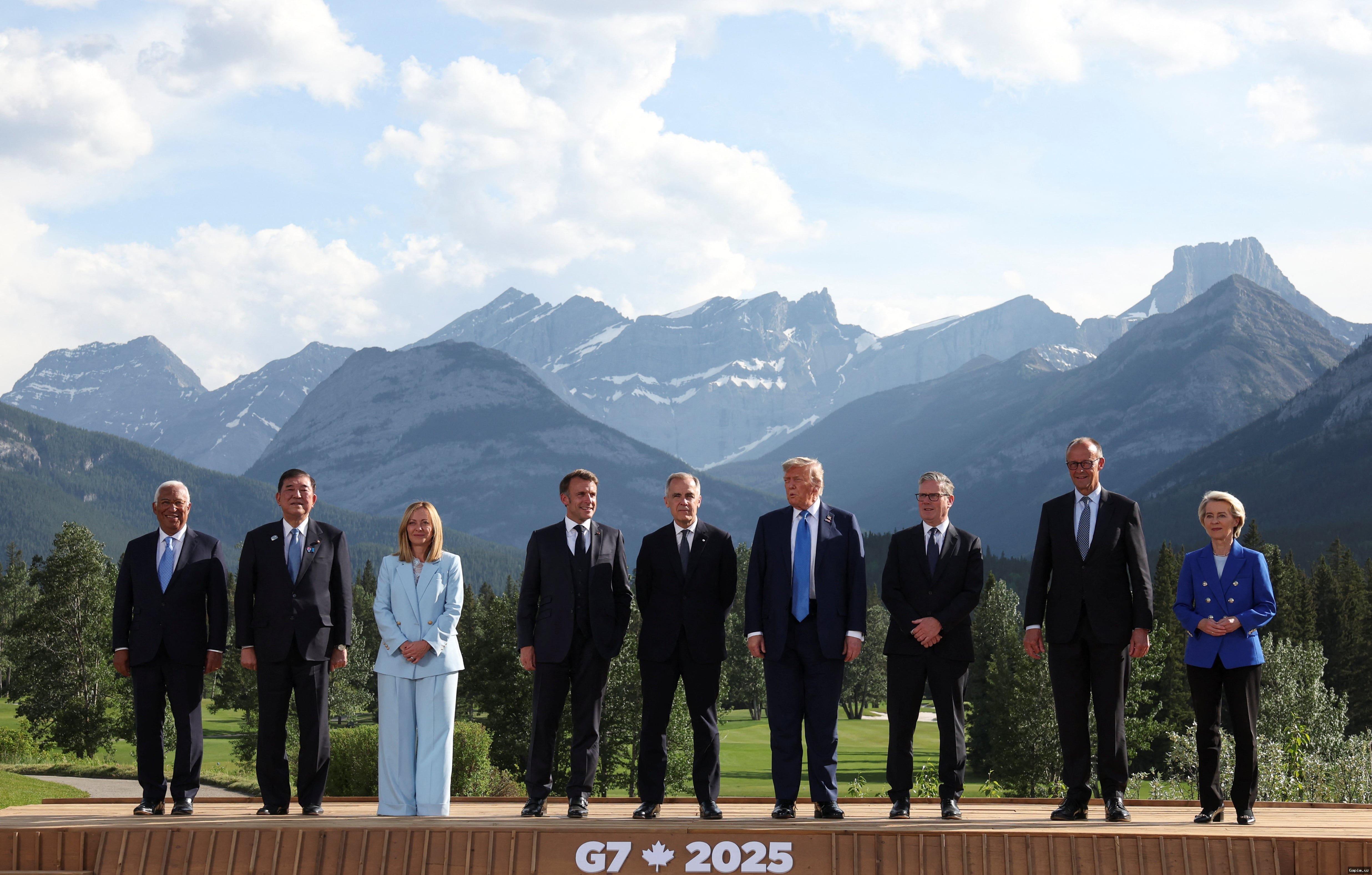
French Finance Minister Roland Lescure remarked that "we are not there yet" regarding the release of emergency stockpiles. In a post-meeting statement, the G7 claimed readiness to "take necessary measures, including to support global supply of energy such as stockpile release," which would be the first such move since 2022 after Russia's full-scale invasion of Ukraine. UK Chancellor Rachel Reeves allegedly used the meeting to call for "immediate de-escalation" in the Middle East and guaranteed security for ships in the region, adding that she stands ready to support a coordinated release of collective IEA oil reserves.
Oil prices reached nearly $120 a barrel on Monday over fears of prolonged supply disruptions, before falling sharply after President Trump raised hopes that the war would soon end. Analysts emphasize that the conflict's duration is a key concern for markets, with a longer war potentially pushing prices to $120-$150 a barrel, leading to so-called "demand destruction" as consumers cut back. Gas prices also jumped significantly, with UK month-ahead delivery surging nearly 25% to 171p per therm, though remaining well below the 2022 peak.
The war is negatively impacting global economies, with stock markets in Japan and South Korea falling 5-6%, and German and French indices also declining. Shares of oil giants like Shell and BP, however, rose. UK government borrowing costs continue to increase as markets reassess interest rate prospects due to the expected impact of oil price surges on inflation. The yield on two-year government bonds rose to 4.09%, while benchmark 10-year bonds reached 4.72%, up from pre-conflict levels.
Adnan Mazarei from the Peterson Institute for International Economics noted that the oil price jump was expected given halted production in some Gulf countries and signs of a prolonged regional conflict. He added that people are realizing this "won't end quickly" and that the promises and objectives laid out by the US regime are "becoming more unrealistic." Global energy markets remain volatile, with G7 measures yet to be finalized.
Source: www.bbc.com