A new report by the UN's Independent International Commission of Inquiry on Ukraine states that Russian authorities "at the highest level" have deported "thousands" of children from occupied areas of Ukraine, constituting a war crime and a crime against humanity. The report adds that President Vladimir Putin's "direct involvement" has been "visible from the outset," underscoring the systemic nature of these actions. This finding challenges Moscow's longstanding denials and highlights the severe humanitarian crisis unfolding amid the ongoing conflict.
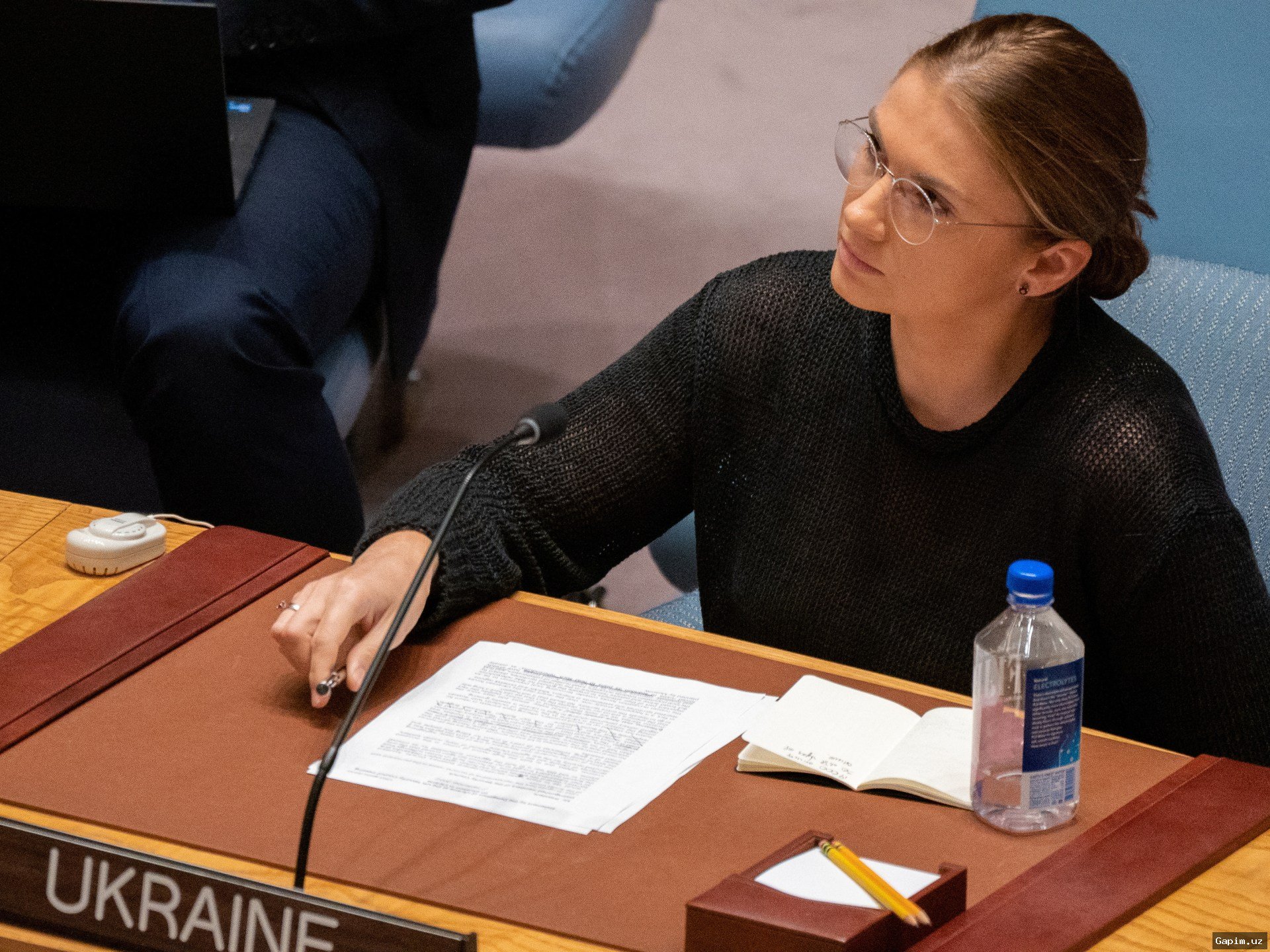
Ukrainian officials claim that nearly 20,000 children have been illegally sent to Russia and Belarus, but the UN Commission has so far identified 1,205 cases of children taken by Moscow from Ukrainian territories in 2022. According to the report, 80% of these children have not yet been returned, and many parents or guardians remain unaware of the minors' whereabouts to this day. This is characterized as enforced disappearance and unjustifiable delay in repatriation, which are respectively crimes against humanity and war crimes under international law. The majority of the children cited lived in the so-called Donetsk and Luhansk People's Republics, regions over which Moscow illegally asserts control.
The report details that just before launching its full-scale invasion of Ukraine, Moscow evacuated these children to the Russian Federation, allegedly claiming they were at risk of an imminent attack by Ukraine. Subsequently, the children were placed with families or in institutions and granted Russian citizenship. Russian authorities have consistently dismissed accusations of forcibly removing children, with Putin previously asserting that the narrative of "child abductions" was "exaggerated" and that the children were "rescued" from a war zone. However, the UN report contradicts this, noting that children face significant obstacles in returning to Ukraine.
The forced removal and severance of ties with their homeland, combined with a "coercive environment" in Russia, "has been a source of deep distress for the children," the UN states. Children who manage to return suffer from "trauma, anxiety and fear of abandonment," often due to harsh treatment in Russia. One poignant example cited is a child told by staff at a Russian orphanage that Ukraine "does not exist anymore, everything has burnt down, and your parents have probably died." A mother quoted in the report expressed fear about her daughter's survival in Russia, where "many people hate Ukrainians."
In 2023, the International Criminal Court (ICC) issued an arrest warrant for Putin, accusing him and Children's Rights Commissioner Maria Lvova-Belova of the unlawful deportation of Ukrainian children. Lvova-Belova reportedly described in an interview "taking in" a 15-year-old boy from Mariupol, a Ukrainian city currently occupied by Russia, and "re-educating" him despite his reluctance to go to Russia. Ukraine says it has recovered 2,000 children so far, but the war continues unabated, now in its fifth year, having killed over 15,000 civilians, injured more than 41,300, and displaced 3.7 million people, with recent talks involving American delegations failing to yield a breakthrough.
Source: www.bbc.com