Following their elimination from the AFC Women’s Asian Cup in Gold Coast, Australia, five Iranian football players and two support staff members have sought asylum, refusing to return to Iran amid fears of reprisals. This development comes after state TV in Iran labeled them “traitors” for not singing the national anthem in their first match, sparking concerns over their safety and highlighting the political pressures faced by athletes under the Iranian government.
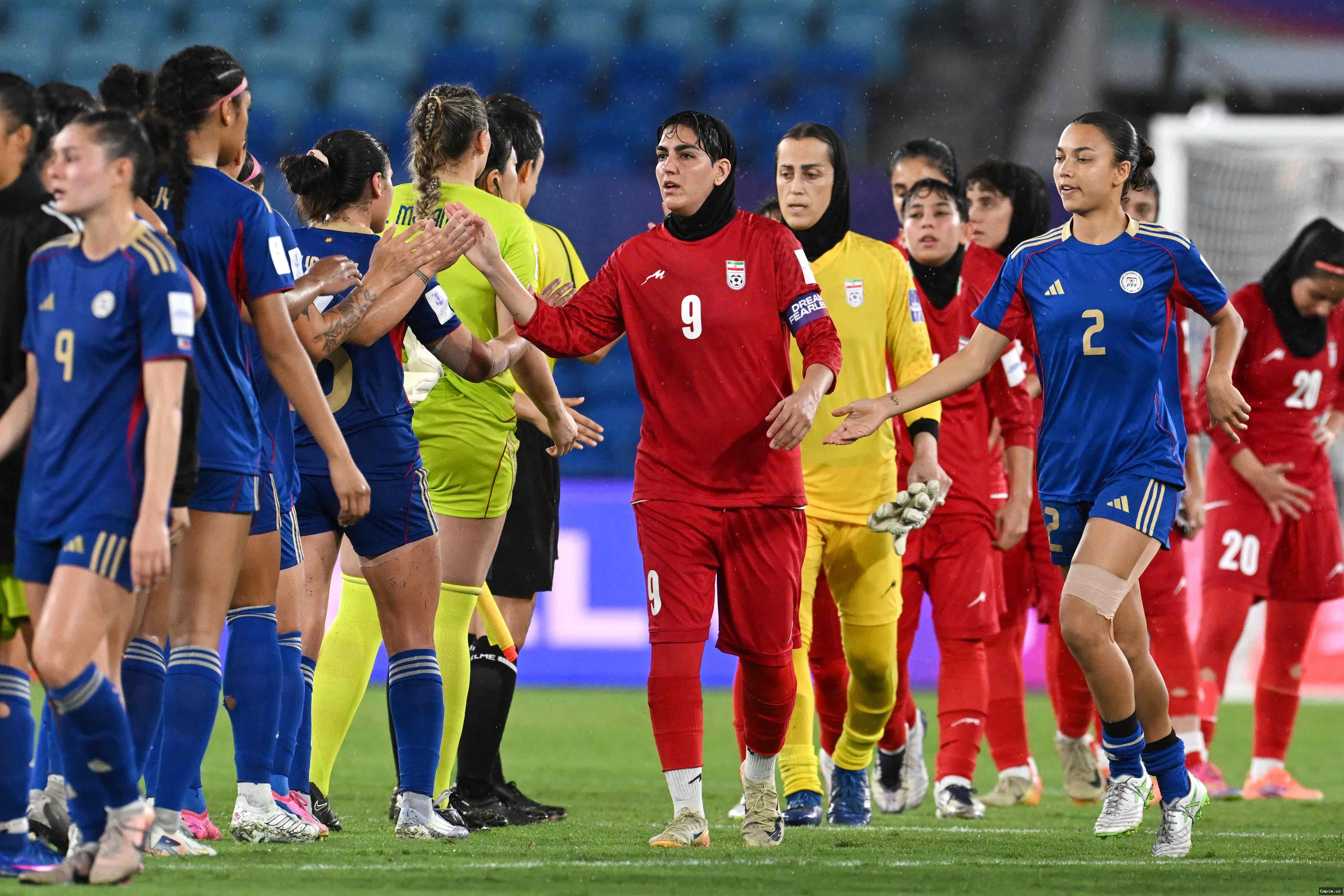
The escape unfolded on Monday evening, with players seen casually conversing with Iranian diaspora activists in a hotel lobby—a surprising sight given reports of strict surveillance. Shortly after, the five athletes slipped away under the protection of Australian Federal Police, receiving humanitarian visas within hours. Activist Hesam Orouji told the BBC, “Our community in Queensland did whatever we could,” emphasizing that public support at stadiums motivated some players to stay.
Australian Immigration Minister Tony Burke informed parliament that the women were given a choice without coercion, though one later changed her mind and opted to return. Migration agent Melody Naghmeh Danai, who assisted the players, revealed they were “under a lot of stress,” worried about family repercussions and assets in Iran, and faced misinformation from accompanying officials. The Australian government’s involvement included late-night talks and police escorts to ensure privacy.
While former US President Donald Trump allegedly urged Australia to grant asylum via a phone call to Prime Minister Anthony Albanese, authorities stated operations had been underway for days. The remaining team members departed for Iran, leaving behind a tournament where they became a focal story and teammates they may never see again. This incident underscores the broader challenges of dissent and freedom for athletes in Iran, with Australia’s response framed as a humanitarian effort amid geopolitical tensions.
Source: www.bbc.com