On February 15, 1991, the first US President George Bush delivered a speech at a Patriot missile factory in Massachusetts. In this address, Bush called on the Iraqi people and military to overthrow dictator Saddam Hussein, but the US later remained indifferent to the subsequent uprising. This event is now recalled in the context of the current war with Iran, as Donald Trump and Benjamin Netanyahu urge the Iranian people to topple the Islamic Republic.
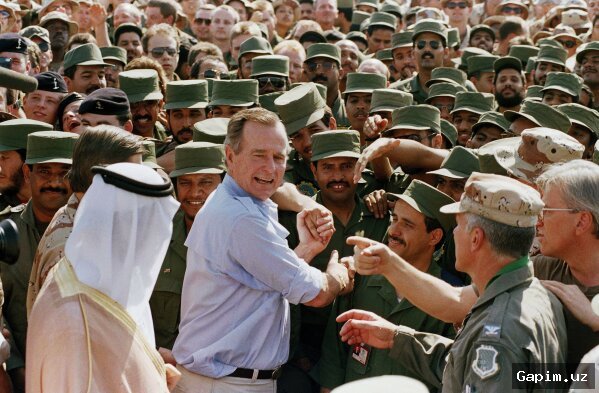
Following Bush's call, Shias in southern Iraq and Kurds in the north launched an armed revolt. However, the US, UK, and their allies did not intervene, leading to a counter-offensive by Saddam Hussein's government using remaining helicopters, which killed thousands of Kurds and Shias. This incident highlighted the severe consequences of US interventions in the region.
The current war with Iran risks similar outcomes. Trump and Netanyahu, while calling for a popular uprising in Iran, do not promise direct military support, echoing the 1991 scenario and potentially fueling war expansion and regional instability. The US decision to go to war, particularly without a coherent strategy, has raised alarms among European allies.
The long-term consequences of the war remain uncertain. The 2003 invasion of Iraq removed Saddam Hussein but resulted in hundreds of thousands of deaths, sectarian violence, and the rise of jihadist groups like ISIS. The Iran war could lead to similar catastrophic effects, especially given the lack of a clear political strategy from the US. Israel, meanwhile, is leveraging this conflict to strengthen its regional hegemony.
Source: www.bbc.com