The US Treasury Department has issued a temporary 30-day license easing sanctions on Russian crude oil and petroleum products, allowing the sale of oil already loaded onto vessels by 12:01 a.m. Washington time on March 12, with the permit valid until April 11. This move is framed as a narrowly tailored, short-term measure, but it comes amid soaring energy prices and geopolitical tensions, raising questions about its broader implications for the sanctions regime.
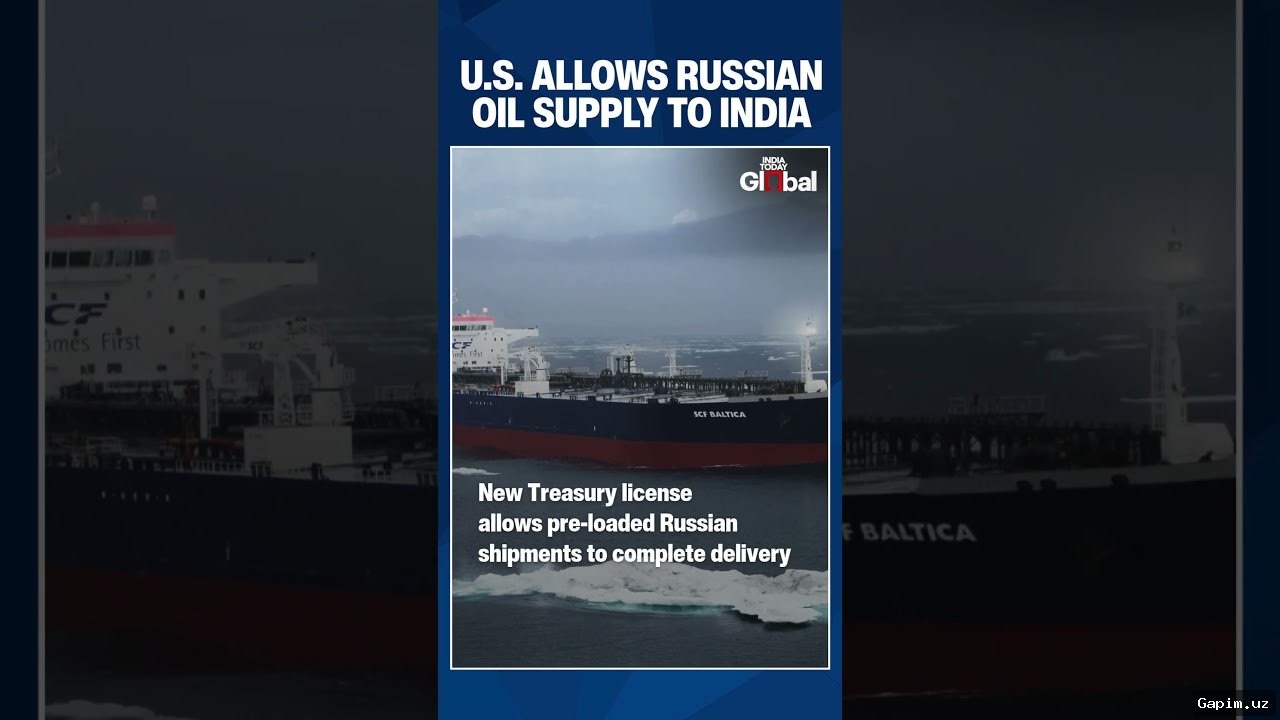
The decision is linked to the escalating US-Israeli conflict with Iran, which has disrupted global oil supplies. Iran's blockage of the Strait of Hormuz has halted one-fifth of the world's oil from reaching markets, contributing to price surges. Treasury Secretary Scott Bessent claimed that this measure would not provide significant financial benefit to the Russian government, but such assertions are viewed skeptically given the context of rising demand for Russian energy resources.
This marks a notable shift in US policy, following a similar 30-day waiver issued on March 5 that allowed Indian refiners to purchase Russian oil already on tankers. India, the world's third-largest crude importer, had reportedly agreed to stop buying Russian oil under pressure from US President Donald Trump, but then swiftly acquired 30 million barrels in a single day, highlighting the inconsistencies in the sanctions approach.
According to CNBC, Russian crude held on tankers fell from 132.9 million barrels at the end of February to 118.3 million barrels by March 10, suggesting rapid movement of cargoes to buyers. Analysts point out that the Iran war is not only diverting global attention from Russia's war on Ukraine but may also directly profit Russia through increased energy prices, despite the sanctions in place.
European Council President Antonio Costa stated that Russia is currently the only winner in this conflict, gaining new resources to finance its war against Ukraine as energy prices rise. Russian authorities have themselves noted a significant increase in demand for their energy resources due to the war in Iran, with Kremlin spokesperson Dmitry Peskov emphasizing Russia's role as a reliable supplier of oil and gas, including LNG.
Source: www.dw.com