On the night of March 21, the strongest geomagnetic storm in 2 months occurred on Earth. This event resulted from solar plasma ejections observed earlier in the week and the impact of mass separated from coronal holes on Earth's ionosphere. The International Solar Astronomy and Geophysics Center had previously forecast disturbances, but the storm's intensity exceeded expectations, stemming from a combination of multiple factors.
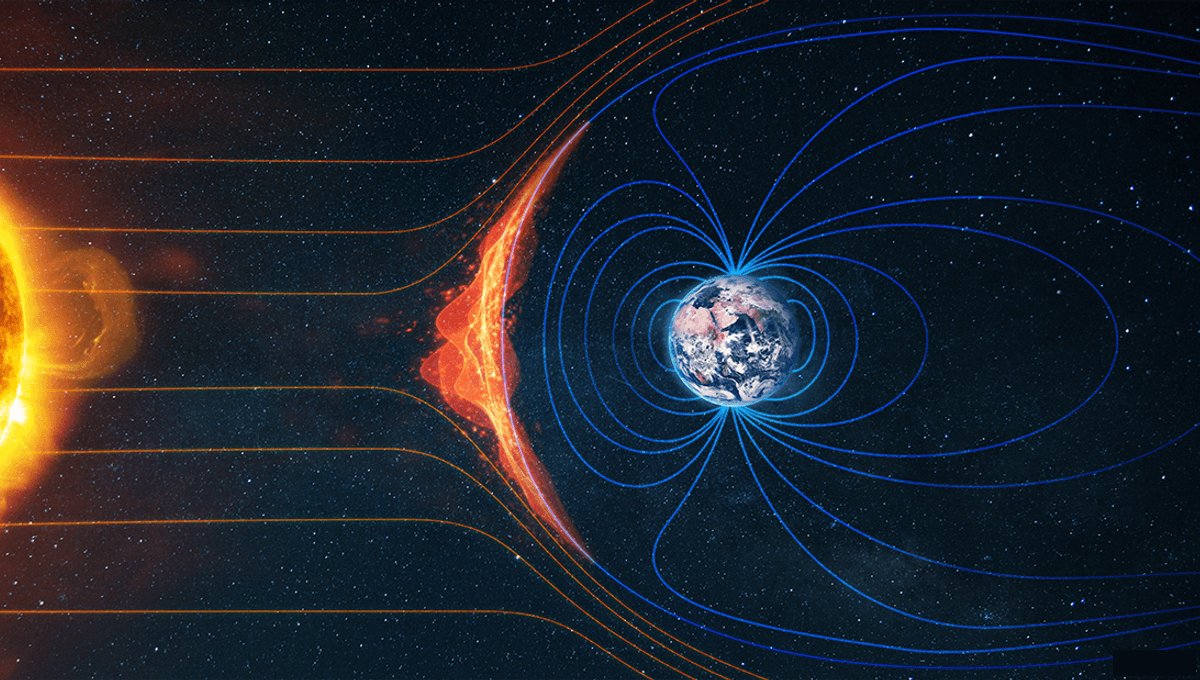
Solar flares, which reactivated after a 1.5-month quiet period in the photosphere, and plasma from M and S-class flares triggered geomagnetic disruptions. The total duration of the disturbance period is estimated at about 5 days—lasting until March 24. The most intense disturbances occurred between March 20 and 21, leading to observations of ‘red’ alert-level magnetic storms for the planet.
Residents of Uzbekistan are forecast to be under the influence of a ‘red’ alert-level magnetic storm throughout March 21. The Kazakhstan Ionosphere Institute reported a 6-point ‘red’ disturbance in Central Asian countries and noted that certain population segments, especially those over 30 years old, are sensitive to such space weather. Scientific research indicates that ‘red’-level disturbances observed at night can limit melatonin production and alter heart rate variability.
Experts advise the public to avoid stress, refrain from engaging in contentious processes, spend more time outdoors, and increase water intake. Passive individuals and those performing intense physical activities may experience stronger effects from this cosmic influence. Additionally, a low-pressure warm air flow passing through the region and a slight decrease in oxygen levels could further impact weather-sensitive individuals.
Source: www.gazeta.uz