Tashkent, Uzbekistan – AN Podrobno.uz. A collective initiative by Uzbek citizens to protect animals has received an official response in parliament – the Ecology Committee of the Oliy Majlis has begun drafting a law "On the Protection of Animals from Cruel Treatment." The document is based on proposals from thousands of citizens calling for a radical tightening of responsibility for violence against defenseless creatures.
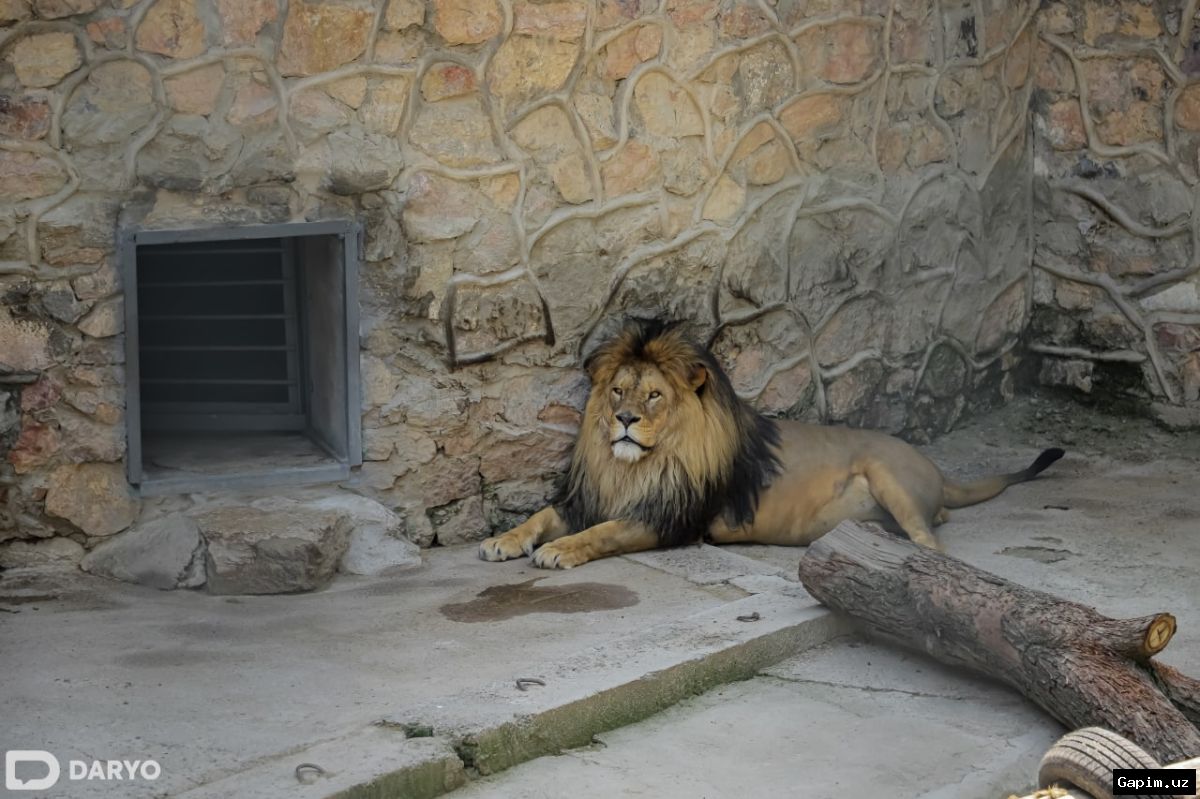
A special working group has been formed to thoroughly develop the document. Importantly, its activities rely on direct dialogue with the public: proposals outlined in appeals from thousands of citizens have been officially included in the agenda. This will allow not only updating legal formulations but also reflecting in the law the real demand for humanization of responsibility. In particular, the possibility of transferring crimes against animals from administrative to criminal liability is being considered – precisely what the authors of the petition, supported by thousands across the country, insisted on.
The reason for such resonance was the increasing cases of mass killings of stray animals, which current punishment measures have virtually no deterrent effect on. The parliament emphasized that it was high civic activity that brought this issue to the state level. Such interaction between authorities and society helps form a legal field where compassion for defenseless creatures becomes a legally protected norm.
Recall that the petition proposes transferring such crimes from administrative to criminal offenses. The trigger was recent cases of mass poisonings and killings of animals in various regions of the country. Currently, perpetrators face only 10 to 15 days of arrest, which, according to animal rights activists, does not match the severity of the act and does not deter offenders.
The document also stresses that unpunished cruelty towards animals could lead to an increase in aggression in society as a whole. The authors cite research linking the lack of empathy for defenseless creatures to a potential future threat to human safety.
Source: podrobno.uz