In 1858, London sweltered through an unbearable heatwave. The River Thames reeked so badly it left people gasping for air. "The Great Stink" went down in history — and ultimately gave London a modern sewer system.
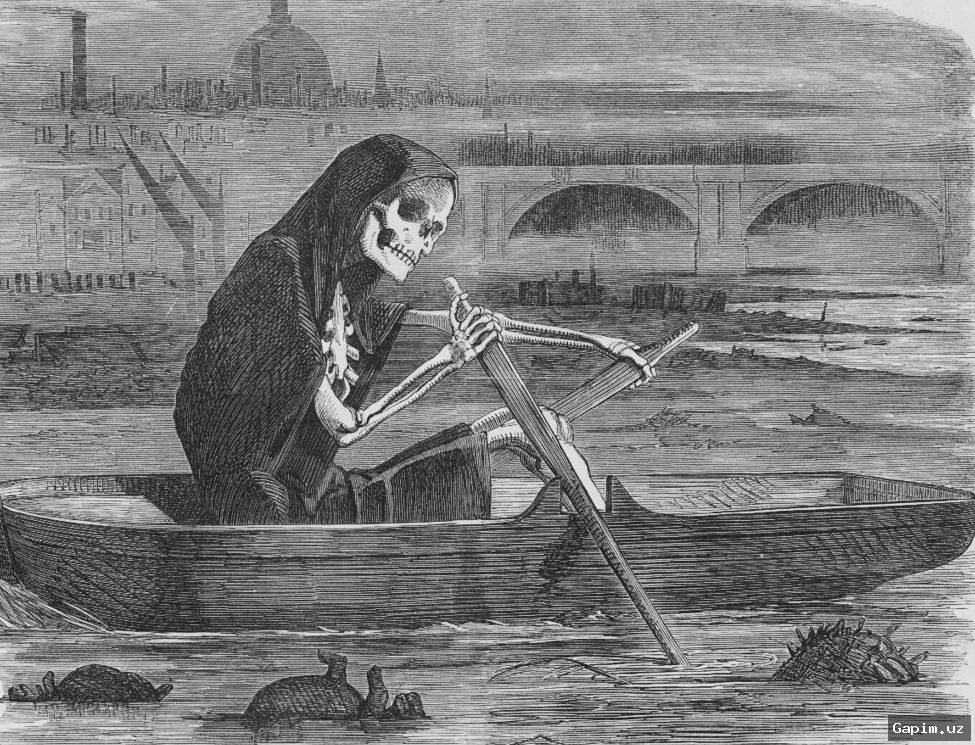
The river reeked so badly that those who could afford to fled the city. Those left behind soaked their curtains in lime chloride to keep the stench at bay and pressed handkerchiefs over their noses whenever they ventured outside. The local press wrote: "Whoso once inhales the stink can never forget it, and may count himself lucky if he live to remember it."
For weeks, temperatures hovered above 30°C. Not a drop of rain fell to cool the city or wash away the filth choking the Thames. London's lifeline became an open sewer: a murky, sludge-filled mix of human and animal waste, garbage, and industrial pollution. The relentless heat drove the river to unusually low levels, exposing sewage and rotting refuse along its banks.
Between 1800 and 1850, London's population doubled to 2.5 million, making it the largest city in the world. But its outdated sewer system could not keep up. Waste from homes and businesses flowed directly into the Thames.
The growing popularity of indoor flush toilets among wealthier households only made matters worse. Human waste was flushed straight into the river. At high tide, polluted water washed back onto the streets. Londoners were accustomed to the Thames smelling foul, but the Great Stink surpassed anything they had ever known.
During earlier cholera epidemics, physician John Snow noticed the disease spread through polluted drinking water, not bad air. He famously had the handle removed from the Broad Street water pump, bringing the outbreak to an end. But few politicians were ready to accept his theory. Snow died in June 1858, just before the Great Stink reached its peak.
When lawmakers experienced the terrible stench themselves, they approved the decision they had delayed for years. Within 18 days, Parliament passed legislation allocating £3 million to build a new sewer system. Engineer Joseph Bazalgette designed nearly 1,800 kilometers of underground sewers, built embankments, and constructed two enormous pumping stations. By 1875, the project was complete, and cholera was history.
More than 150 years later, Bazalgette's Victorian pipes have struggled with modern demands. In 2025, the 25-kilometer Thames Tideway Tunnel opened to relieve pressure on the historic sewers. No one in London wants to experience the Great Stink again.
Source: www.dw.com