Under the leadership of the President of Uzbekistan, a presentation of priority nationwide projects in ecology and environmental protection for 2026–2030 was held. The presentation discussed comprehensive plans to improve the ecological situation and expand green areas in the country, with a particular focus on initiatives to create new botanical gardens and dendrological parks.
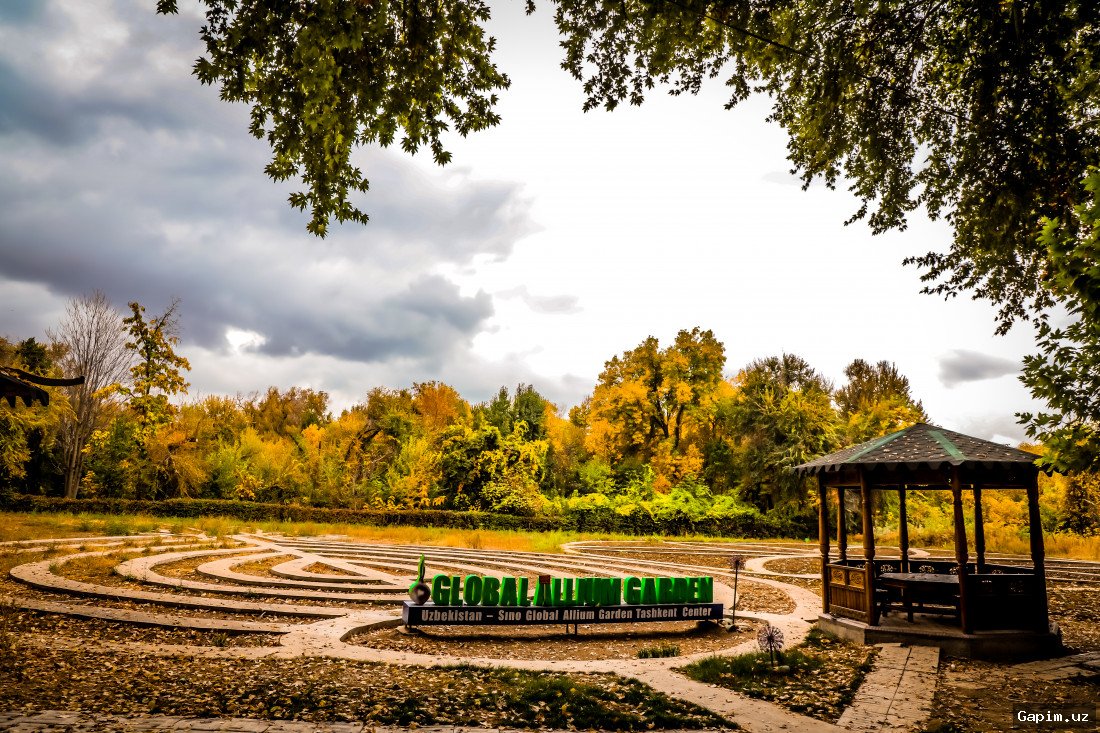
As part of the projects, in addition to the three existing botanical gardens in the country, it is planned to establish 12 new botanical gardens and 16 dendrological parks by 2028 in the Republic of Karakalpakstan, all regions, and the city of Tashkent, covering a total area of at least 100 hectares. These gardens are designed for the study, conservation, propagation, and display of local and foreign plants, as well as the scientifically based cultivation of tree and shrub species, taking into account the soil and climatic conditions of each region.
The presentation also introduced the concept of creating a National Dendrological Park in the capital, spanning 108 hectares. This large green zone will feature the planting of 50,000 tree saplings and 100,000 shrubs, an artificial lake, a cherry blossom garden, a collection of plants from six climatic zones, recreational areas, and the use of modern ecological technologies such as solar panels and benches made from recycled materials. The park will serve as a natural laboratory for the Central Asian University of Environment and Climate Change and a center for ecotourism and environmental education for the public.
The overall goal of the projects is to increase the country's green space coverage from 14.2% to 30% by 2030, reduce PM2.5 and PM10 concentrations by 20–25%, and lower air temperatures by an average of 1.5–2 degrees in regions with harsh climates. The National Dendrological Park is expected to help reduce temperatures in Tashkent by 2–4 degrees and increase humidity by 10–15%.
Source: kun.uz