Despite reaching a 51% urbanization rate through large-scale construction reforms, Uzbekistan still faces systemic problems in organizing urban space. These challenges were highlighted at a meeting of the Parliamentary Commission for Monitoring the Implementation of National Sustainable Development Goals, held on June 18 under the chairmanship of Tanzila Narbaeva.
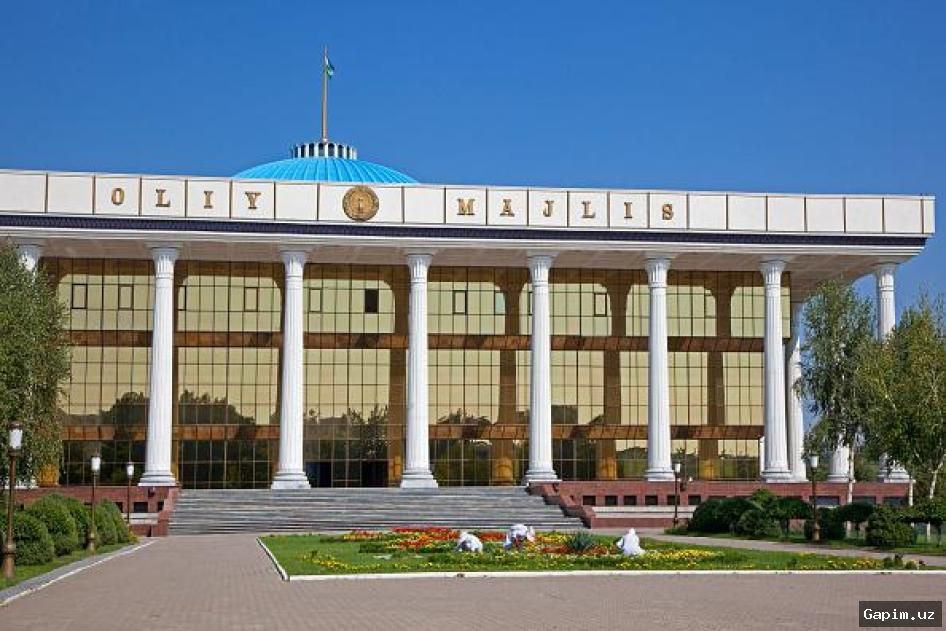
Commission members identified the need to accelerate the full development of urban planning documentation and create a safe, inclusive urban environment as the most pressing tasks. The meeting emphasized the importance of developing pedestrian and bicycle infrastructure, widely introducing modern approaches to traffic management, and ensuring a strict balance between industrial growth and environmental sustainability.
A critical analysis of the current state of cities was conducted while reviewing the results of construction reforms. It was noted that the achieved urbanization rate resulted from optimizing business procedures—specifically, reducing the stages for issuing construction permits by three times and the timeframes by four times. Modernizing the regulatory framework and revising 420 urban planning rules spurred the opening of about 10,000 new enterprises, while annual housing commissioning grew tenfold, reaching 238,000 apartments by the end of 2025.
Regionally, the dynamics of urban environment changes were examined using the Fergana, Andijan, and Namangan regions as examples. Against the backdrop of permanent population growth (up to 11.4% in Namangan), housing construction volumes in these areas increased 2.5 times over four years. As a result, the urbanization rate in Namangan reached 64.9%, in Fergana 56.7%, and in Andijan 52.2%. At the same time, the growth of residential areas was synchronized with environmental projects: over 305 MW of solar panel capacity was installed in the three regions, and 83 green public parks were created.
Following the discussion, the Parliamentary Commission adopted a corresponding decision and approved a roadmap with specific measures. Ensuring the implementation of tasks to eliminate systemic deficiencies and develop an inclusive urban environment has been assigned to relevant ministries and agencies.
Source: podrobno.uz