Iranians are enduring constant stress and trauma due to attacks by the Israeli and US regimes, internal political oppression, and economic hardships. The government's strict rules, including mandatory dress codes for women and sanctions, exacerbate daily life challenges. In this environment, mental health is severely impacted, with experts highlighting rising rates of psychological disorders.
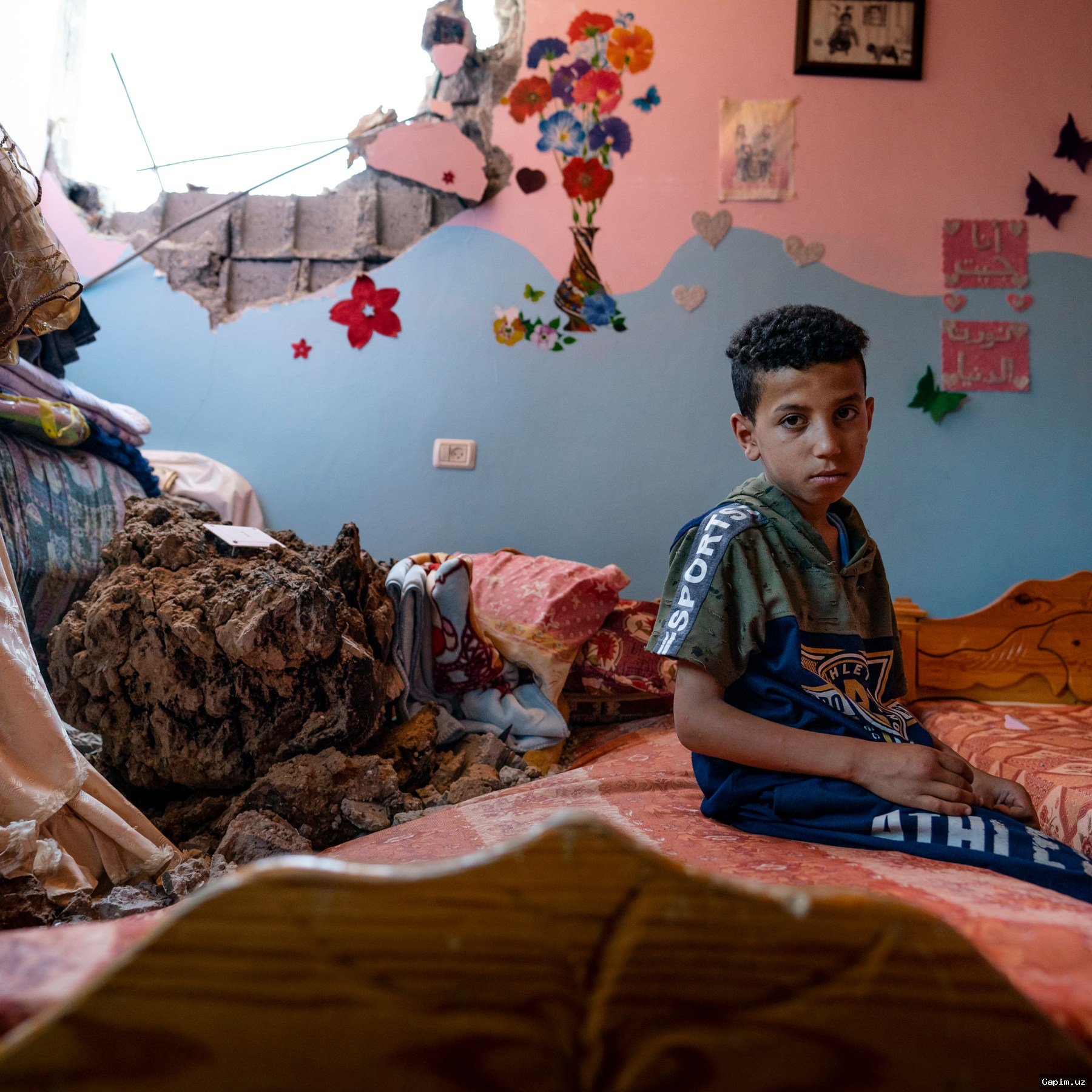
Psychologist Dana Churbaji notes that chronic exposure to violence and danger increases the incidence of post-traumatic stress disorder (PTSD), anxiety disorders, and depression. These conditions alter perceptions of safety and worldview. When basic needs like food, electricity, and communication are unmet, family violence can escalate, further eroding social relationships crucial for resilience.
Trauma symptoms include avoidance of memories, extreme reactions to triggers, flashbacks (reliving past events), distrust and cynicism, guilt feelings, sleep disturbances, and concentration difficulties. Psychological stress often manifests physically through headaches, back pain, fatigue, and other ailments, especially in contexts where mental health issues cannot be openly discussed.
Clinical psychologist Rita Rosner points out that political persecution in Iran has persisted for a long time, with protests against the government being violently suppressed. This ongoing fight-or-flight state can be more stressful than a one-time traumatic event. Each additional traumatic experience heightens the risk of developing PTSD, anxiety, and depression, particularly when multiple life areas are affected.
Treatment for PTSD involves psychosocial support, such as group or individual therapy with mental health professionals. Local doctors, teachers, and religious leaders are being trained to assist in trauma coping. If in-person help is unavailable due to safety or lack of specialists, online resources like those from the World Health Organization (WHO) offer alternatives. However, traumatic experiences cannot be erased from memory, though most people can regain fulfilling lives with proper support.
Source: www.dw.com