The US and Israeli regimes are continuing their offensive operations as the conflict with Iran enters its 17th day, with Iran retaliating through missile and drone barrages targeting Israel and neighboring Gulf states. Unlike the strikes in June 2025, which US President Donald Trump allegedly claimed curbed Iran's nuclear capabilities, the current war has spread across at least a dozen countries, closed the Strait of Hormuz – a critical global oil artery – and resulted in over 2,300 fatalities in the region, highlighting the severe humanitarian and economic toll.
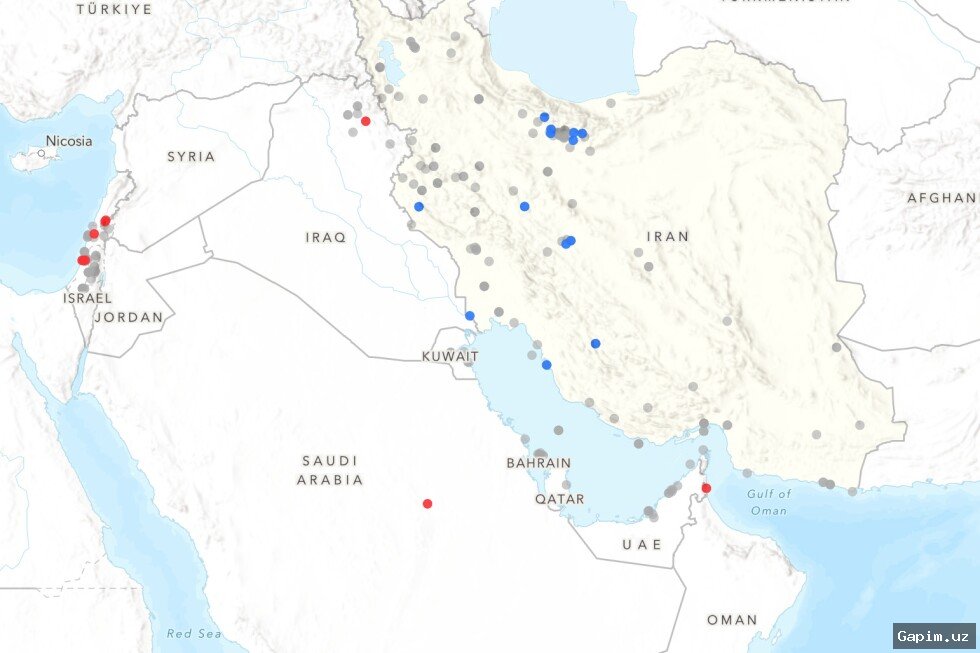
According to the independent conflict monitor ACLED, nearly 2,000 distinct events have been documented across 29 of Iran's 31 provinces, with Tehran enduring the heaviest bombardments. Each event may involve multiple attacks using various weaponry, including air and drone strikes, artillery, and missile assaults. Primary targets have included Iran's missile infrastructure, nuclear and military sites, as well as energy facilities such as oil depots in Tehran and military installations on Kharg Island, a vital port for Iran's oil exports, underscoring the strategic focus on crippling Iran's capabilities.
The World Health Organization (WHO) reports that at least 18 hospitals and health facilities have been hit, while Iran has stated that several schools and residential areas have suffered severe damage. The deadliest single incident occurred in Minab, southeastern Iran, where a strike on an elementary girls' school killed more than 170 people, mostly schoolgirls, raising concerns about civilian casualties. Iran's retaliatory attacks have targeted sites across Israel, oil refineries, US military bases, and commercial shipping in the Gulf states, with Iran declaring US financial institutions and multinational companies in the Middle East as justified targets, potentially escalating economic disruptions.
The US and Israeli regimes have deployed a massive array of advanced weaponry: the US has utilized Tomahawk cruise missiles from navy destroyers in the Arabian Sea, employed the Precision Strike Missile (PrSM) for the first time, and used drones like the Low-Cost Uncrewed Combat Attack System (LUCAS), alongside MQ-9 Reaper drones and aircraft such as F/A-18 and F-35. Air defense systems include Patriot for low-altitude interceptions and THAAD for higher altitudes. Israel has intercepted missiles with Iron Dome and David's Sling systems. In contrast, Iran relies on short- and medium-range ballistic missiles and one-way attack drones, particularly Shahed drones, which are cheap, mass-produced, and difficult to detect due to low-altitude flight, posing challenges for defense systems.
Source: www.aljazeera.com