The Iranian government has declared the Strait of Hormuz closed to the United States and its allies amid the ongoing war with the US and Israel. This strategic chokepoint is a vital maritime route, accounting for one-fifth of global oil shipments. Ebrahim Jabari, a senior adviser to the commander of the Islamic Revolutionary Guard Corps (IRGC), announced on March 2 that the strait was "closed" and threatened that if any vessels attempted to cross, the IRGC and navy would "set those ships ablaze."
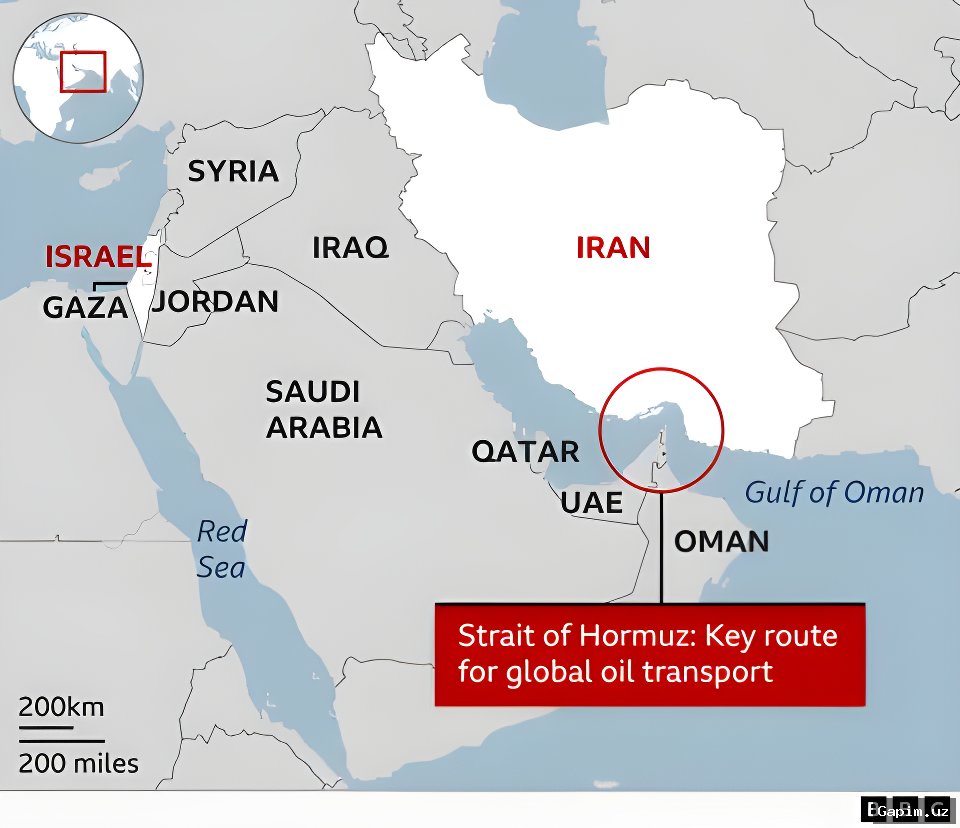
This move has triggered a sharp surge in oil prices. Prior to the conflict, oil traded at around $65 per barrel, but it has now skyrocketed above $100. The international benchmark Brent crude rose 2.5% to $105.70 on Monday, marking an increase of over 40% since the war began on February 28.
Iranian Foreign Minister Abbas Araghchi told CBS on Sunday that Tehran had been "approached by a number of countries" seeking safe passage for their vessels, stating that "this is up to our military to decide." He added that a group of vessels from "different countries" had been allowed to pass, though he did not provide specific details.
Ships from Pakistan, India, and Turkey have reportedly been granted passage. A Pakistani-flagged tanker, Karachi, sailed through on Sunday, two Indian-flagged gas carriers crossed safely on Saturday, and a Turkish-owned vessel received permission on Friday. China is allegedly in talks with Iran for safe passage, as 45% of its oil imports transit through the strait, highlighting the broader economic disruptions.
US President Donald Trump has called for a naval coalition to secure the strait, but European nations are resisting involvement. Germany and Greece have ruled out military participation, with a German spokesperson stating there would be "no participation" in any military effort to keep the strait open. UK Prime Minister Keir Starmer asserted that Britain "will not be drawn into the wider war." Analysts suggest it is "unlikely" that US allies will join such an operation, citing their opposition to the war and practical challenges in rapidly deploying naval assets.
Source: www.aljazeera.com