The US decision to go to war with Iran without consulting regional allies, followed by Iran's retaliatory strikes, is raising profound doubts among Gulf states. A critical question emerges: does hosting US military bases enhance their security, or does it instead make them targets? An emergency meeting of Arab and Islamic foreign ministers in Riyadh on Thursday underscored Iran as the focal point, highlighting the escalating tensions in the region.
Saudi Foreign Minister Prince Faisal bin Farhan stated at a press conference that his country's patience is wearing thin. He emphasized a preference for a diplomatic solution and clarified that Saudi territory would not be used to launch attacks on Iran, but added that Saudi Arabia would employ all available means to compel Iran to cease targeting neighboring nations not directly involved in the conflict. This indicates that Gulf states are increasingly being dragged into a war they never sought to join.
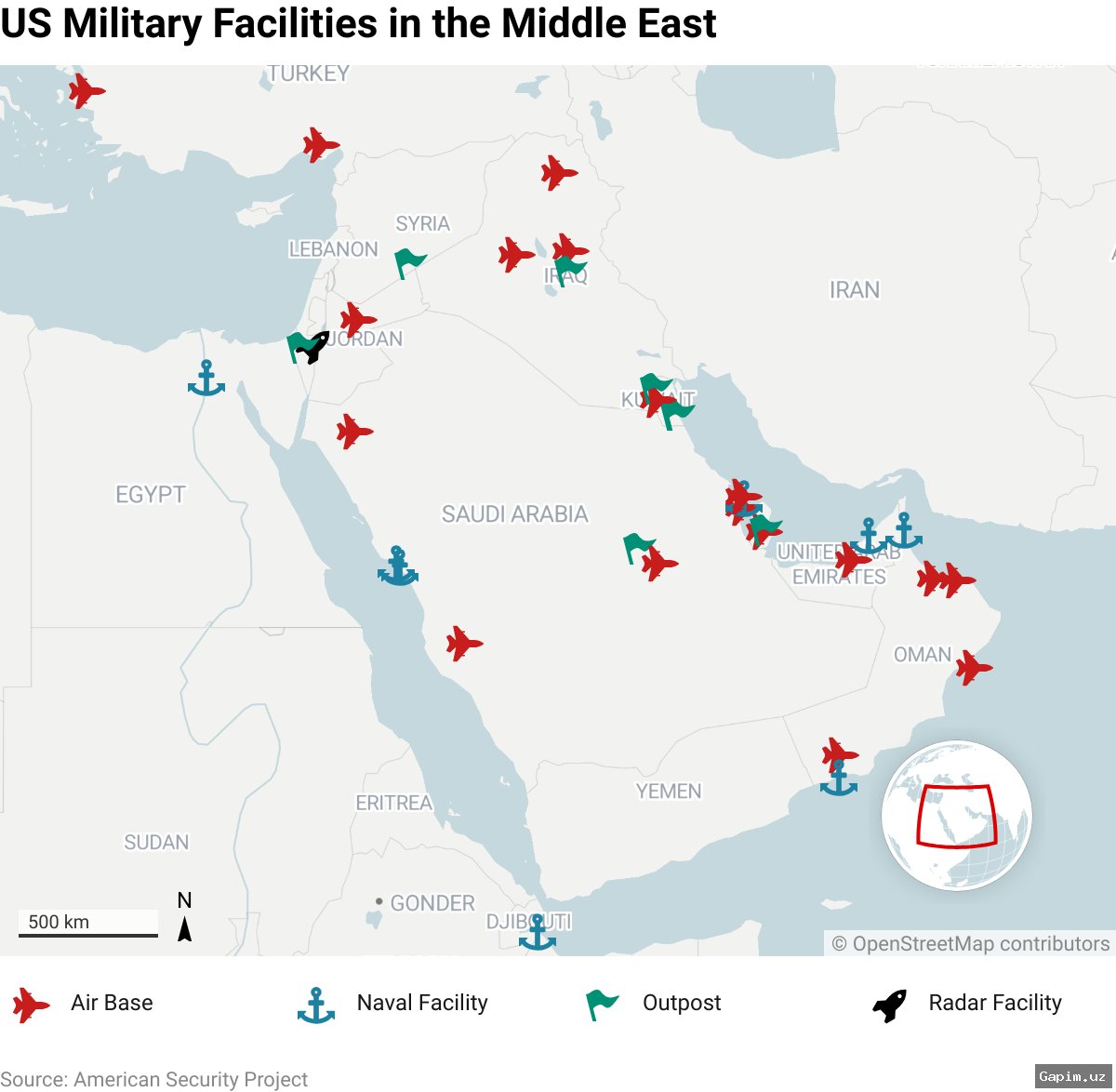
Observers note that the notion of US protection due to major military bases in the region has proven illusory. Many Iranian missiles and drones have not been intercepted by Gulf militaries or US forces, exposing vulnerabilities. Iran has justified its attacks on Gulf states by citing the presence of US bases, though strikes have also hit oil infrastructure and civilian sites like airports and hotels. Saudi Arabia's former intelligence chief, Prince Turki al-Faisal, labeled the conflict "Netanyahu's war," alleging that Israeli Prime Minister Benjamin Netanyahu persuaded President Donald Trump to support his stance.
Anonymous sources report that the US disregarded warnings from Gulf allies when proceeding with the war, leading to a bitter realization: US bases may not provide deterrence or protection and could actually make host countries targets. A commentary in the Qatari-funded Al Araby Al Jadeed newspaper argued that these bases undermine Gulf states' agency, preventing independent decision-making and self-defense capabilities.
The Iran war has ignited debates over strategy and security. Bruno Schmidt-Feuerheerd, a political scientist at Oxford University, pointed out that initial perceptions blamed Israel and the US for escalation, but Iran's targeting of Gulf states revealed their security dependence on external actors. Gulf nations are now forced to reassess whether US military bases represent a security benefit or a risk, though deep military integration with the US means any changes would take years to implement.
In the longer term, the conflict is likely to prompt a reevaluation of Gulf states' relationships with the US. Pauline Raabe, a senior analyst with Middle East Minds, contends that the decades-old arrangement of cheap oil in exchange for American security guarantees is becoming an outdated model. However, a swift break is unlikely due to entrenched ties spanning beyond military cooperation. Saudi Arabia and Qatar are already cultivating partnerships with countries like Pakistan, Turkey, the UK, and France, signaling a shift toward diversification.
Schmidt-Feuerheerd referenced a "hedging" strategy, where Gulf states develop closer ties with multiple partners, including China and European nations, to mitigate risks. Yet, none of these partners offer a genuine military alternative to the US. Gulf states are not always unified politically; for instance, Saudi Arabia and the UAE had been moving toward rivalry before the war forced cohesion. Regional stability remains paramount for all, as economic diversification plans, such as Saudi Vision 2030 and Dubai's global ambitions, hinge on peace and the ability to defend themselves.
Source: www.dw.com