The Hong Kong government announced on Monday that individuals who refuse to provide phone or computer passwords in investigations related to national security could face up to a year in prison or a fine of up to HK$100,000 (approximately $12,700). This rule is part of a series of amendments to Hong Kong's national security law, which was imposed by China in 2020 following massive pro-democracy protests in the semi-autonomous city.
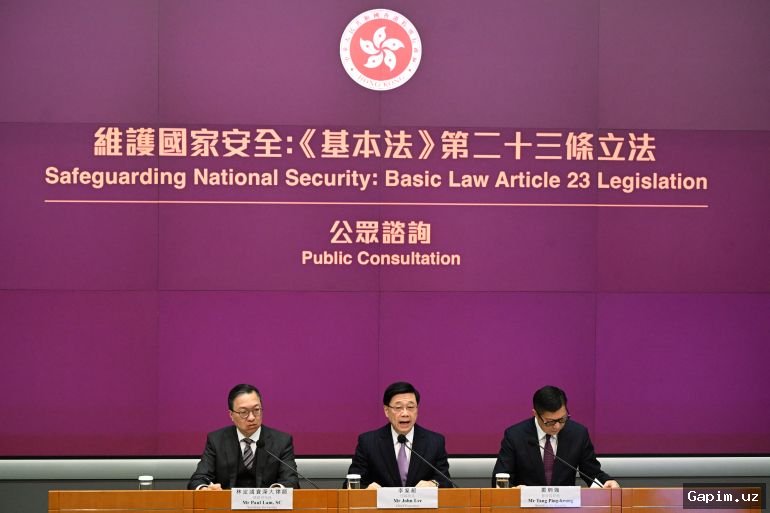
The new regulation requires people to furnish "any password or other decryption method" necessary to allow police with warrants to access electronic equipment believed to contain evidence. The obligation applies to those under investigation for endangering national security, as well as anyone who owns, controls, or is authorized to access the equipment in question, including those who know the password or decryption method.
The law stipulates that this duty applies even where there is a "duty of confidentiality or any other restriction on the disclosure of information," such as in cases involving journalists, doctors, and lawyers. A government spokesperson claimed that the new rules were designed to ensure that "activities endangering national security can be effectively prevented, suppressed and punished, and at the same time the lawful rights and interests of individuals and organizations are adequately protected."
Hong Kong's government and China assert that the national security law brought stability to the financial hub after the extensive 2019 anti-government protests. However, human rights organizations and Western regimes allege that authorities have used this Beijing-imposed measure to roll back democratic freedoms and crush political dissent. These amendments are seen as further tightening the city's legal framework, potentially impacting citizens' privacy rights and raising concerns about the erosion of civil liberties in the region.
Source: www.dw.com