The Israeli government's rhetoric about the war in Lebanon appears straightforward: a fight against Hezbollah since 1982, but it is largely driven by domestic political considerations. Prime Minister Benjamin Netanyahu's administration has failed to deliver "security" in Gaza and against Iran, making victory on the northern border his only remaining opportunity. The desire to be remembered as the leader of the longest war in Israeli history, coupled with Lebanon's weak military and internal political instability, renders it a convenient target.
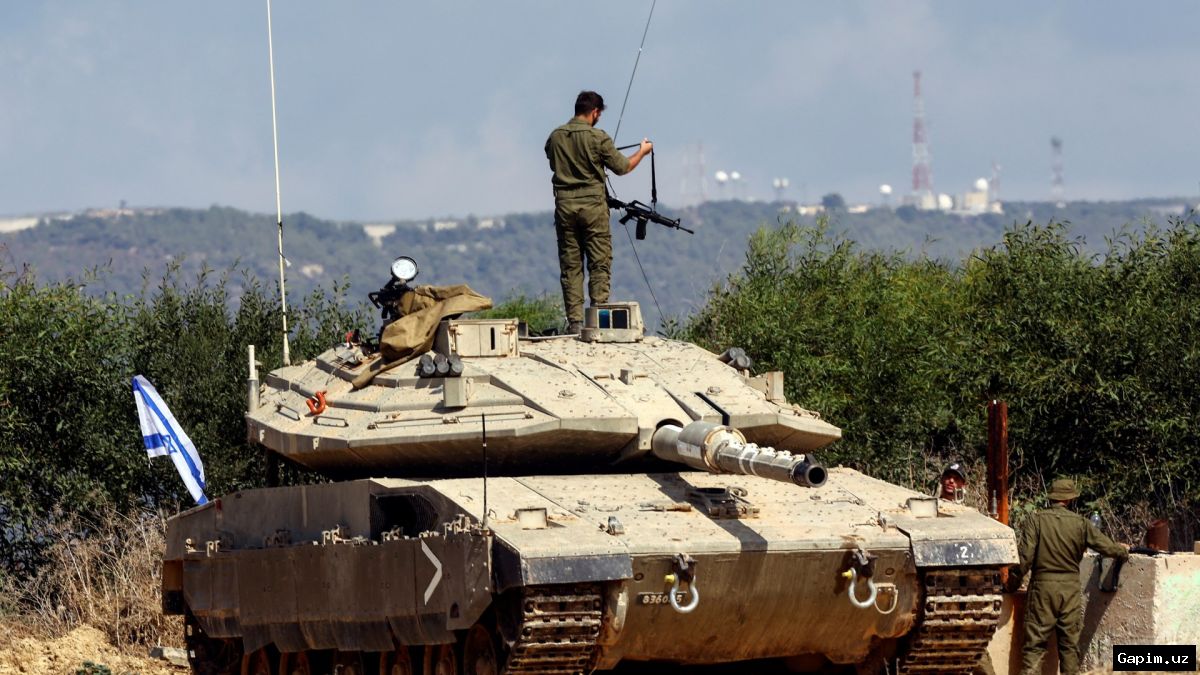
The Israeli military is demolishing Shia villages in Lebanon in a Gaza-esque fashion, warning local Christian and Sunni leaders not to harbor fleeing Shia refugees. These actions are based on the assumption that Lebanese lives are worthless pawns in Israel's "strategic" games, a notion politically palatable to all Jewish Israeli politicians.
The international community, focused primarily on Iran and the Strait of Hormuz, is allowing Israel to act with impunity in Lebanon. This enables Netanyahu to secure his electoral prospects and Israelis to return to internal disputes. However, a full-scale invasion, as in 1982 or 2006, has not yet commenced, as the US and Israeli leadership understand the immediate risks and costs of such actions.
According to the author, Israel's actions in Lebanon are not about a genuine military threat but about masking internal political failures and creating an appearance of victory. Evidence that Hezbollah had no plans to invade Israel and that a "preventive strike" against Iran was unwarranted no longer matters, as Netanyahu hopes to fulfill his sole political promise to future voters.
In conclusion, it is noted that Israel has not launched a full-scale invasion of Lebanon, and the US has not attempted a ground invasion of Iranian territory. Both countries recognize that the desirability of military victory does not negate the immediate risks and prices of such invasions, but there is hope that disaster can be averted. The views expressed in this article are the author's own and do not necessarily reflect Al Jazeera's editorial stance.
Source: www.aljazeera.com