The head of the World Health Organization (WHO), Tedros Adhanom Ghebreyesus, has commented on the situation surrounding the spread of the Andes strain of hantavirus.
According to him, there are currently no signs of a large-scale outbreak, but the situation could change in the coming weeks due to the virus's long incubation period.
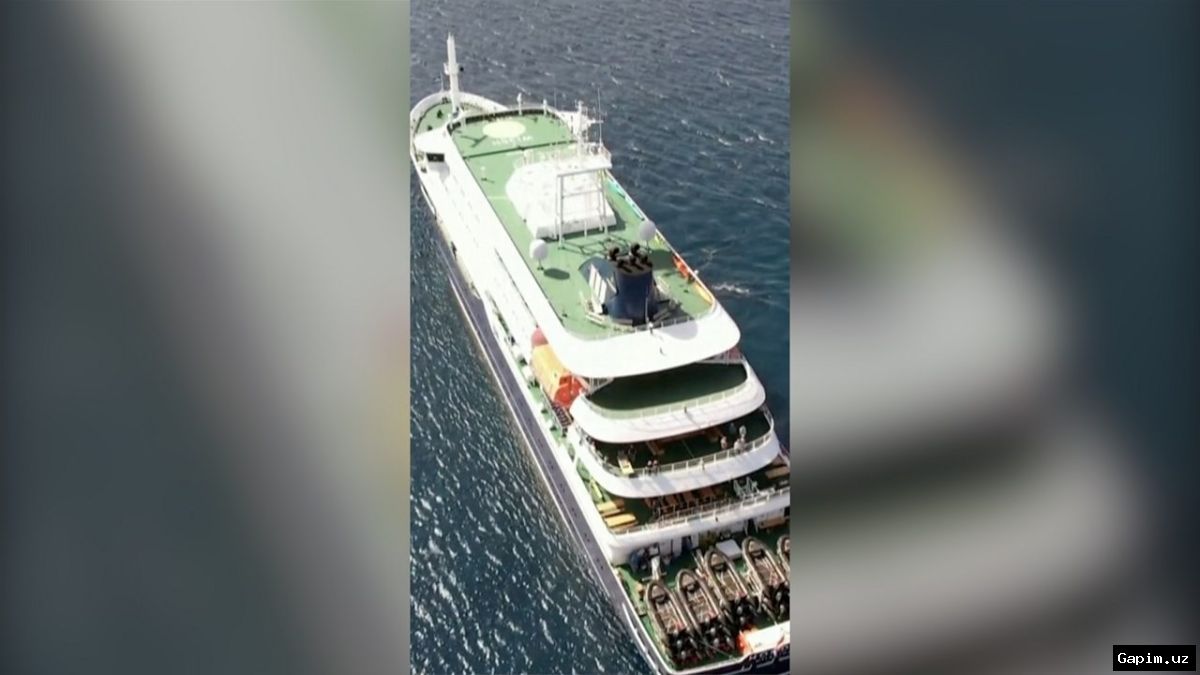
The infection was detected aboard the MV Hondius cruise ship traveling from Argentina to Cape Verde. There were 147 people from 23 countries on board. The first case was identified on April 6, and the patient died on the ship. Later, his wife and another passenger also died. As of May 11, nine suspected cases have been reported, seven of which have been laboratory-confirmed. It turned out that the first infected individuals had traveled through Argentina, Chile, and Uruguay before boarding, visiting areas inhabited by rodents, the main carriers of the virus.
Hantavirus is transmitted to humans through contact with infected animals or their excreta. The Andes strain is unique as it is the only hantavirus capable of human-to-human transmission, though it requires very close contact. The ship has now reached Tenerife, where passengers were evacuated and repatriated, with some patients receiving treatment in South Africa and the Netherlands.
The cruise ship Hondius arrived at Tenerife under heightened security measures. Evacuation was carried out in small groups, and passengers were placed under strict quarantine.
Source: podrobno.uz