Yemen is enduring a severe heatwave with temperatures soaring above 40°C (104°F), turning homes into ovens. Prolonged power cuts are exacerbating the suffering of millions in the war-torn country, where the humanitarian crisis continues to deepen.
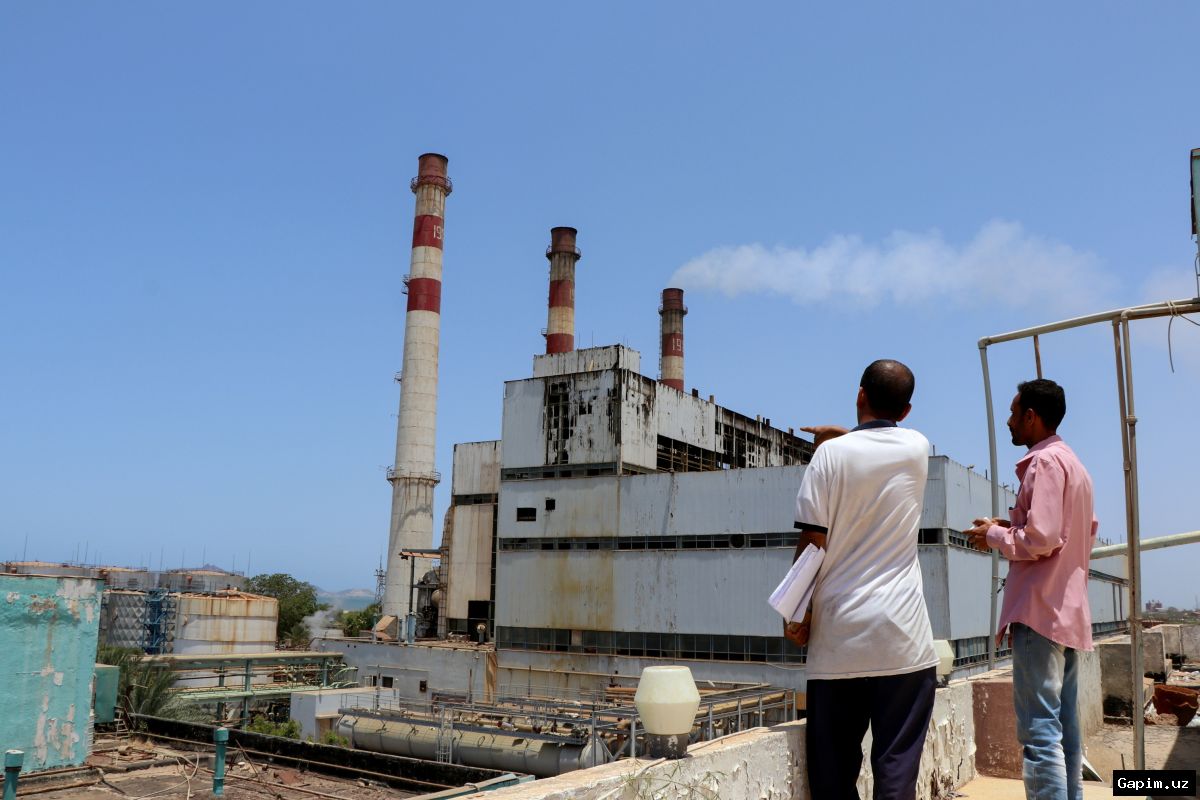
Residents of coastal cities like Mukalla and Aden, controlled by the internationally recognized government, report extended blackouts that are hurting businesses, disrupting daily life, and aggravating health problems. “Power was cut for eight hours and restored for only two,” Saddam Al-Jamlani, a resident of Aden, told Al Jazeera.
The situation is equally dire in the northern areas controlled by the Iran-backed Houthis. Over a decade of war between the Houthis and the Saudi-backed government has devastated infrastructure, including the electricity sector, killing and wounding thousands and displacing millions.
In January, Saudi Arabia announced an $81.2 million aid package to buy fuel for power stations, but as summer arrived, the situation deteriorated. On May 27, Riyadh pledged another $150 million in support, yet residents say there has been no noticeable improvement.
Salah Mohammed, a Mukalla resident, and his wife sleep less than five hours a night and suffer from skin conditions due to the heat and lack of electricity. “When the power goes out at night, I wash myself and use a piece of cardboard to cool down,” he said. The only relief comes from a nearby air-conditioned mosque.
Power cuts are also crippling businesses. Muhanad Salem, an auto repair shop worker, said outages frequently shut down equipment, forcing workers to spend scarce money on generator fuel. Fish seller Omer Baesa spends 10,000 Yemeni riyals ($6.7) daily on ice to preserve his fish, but some still spoils.
Yemen’s newly appointed electricity minister, Adnan al-Kaf, described the situation as “disastrous” and warned that “this summer is going to be difficult.” In Houthi-controlled areas, residents rely heavily on solar power, and Israeli airstrikes have further damaged infrastructure. In Hodeidah, residents are outraged by sharply higher electricity bills despite frequent outages.
Source: www.aljazeera.com