Gaza City, Gaza Strip – Before Israel's genocidal war on Gaza, 24-year-old Shurouq Khaira was an athlete, training regularly for her track races. Athletics wasn't just a hobby; it was a core part of her identity. She won a national title in 2016 and dreamed of representing Palestine internationally, even competing in the Olympics.
That future was shattered on November 19, 2023, when a shell hit her family's home in the Daraj neighborhood. Shurouq survived but lost her right leg below the knee. Her father, who inspired her love for sports, had both legs amputated. Now living in a tent due to the destruction and Israel's refusal to allow reconstruction, she faces daily struggles.
"I live between pain, fear, darkness, and suffering, but my heart remains patient," Shurouq said. "No matter what prosthetic I get, the feeling of loss will stay with me. At times, I feel weak and cry. But there are no solutions, so I try to adapt to this painful reality."
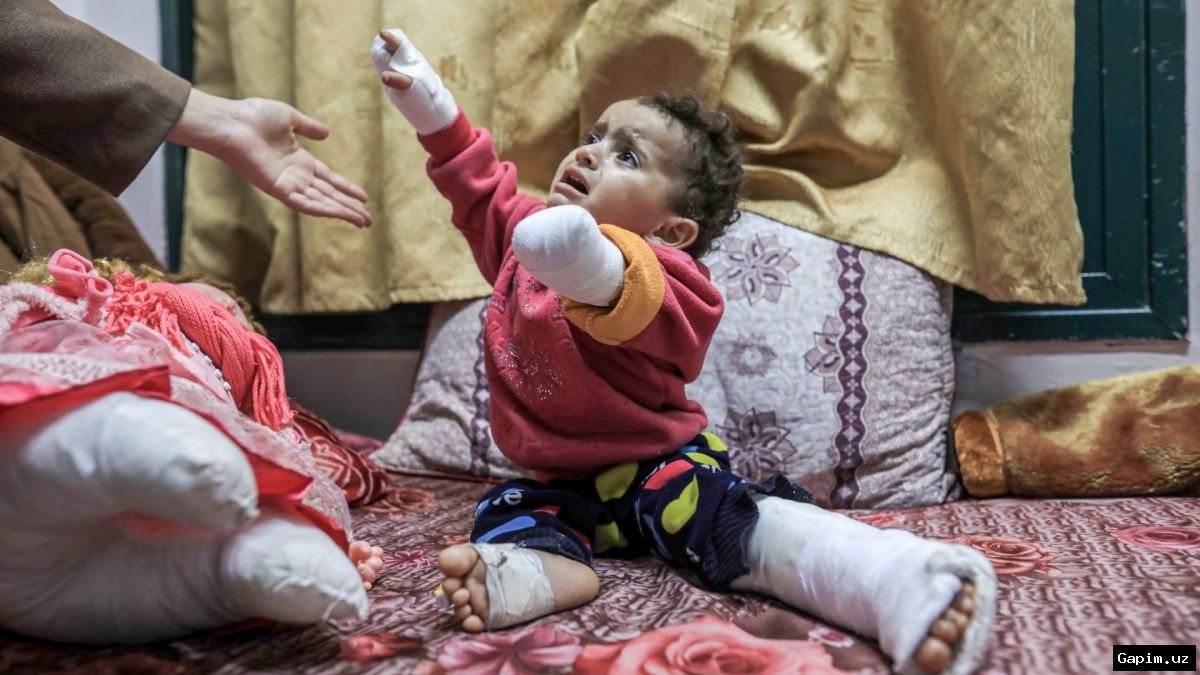
Shurouq is still waiting for a prosthetic leg. With transportation prohibitively expensive, she walks kilometers on one leg to reach physical therapy appointments, often arriving too late. The Gaza Ministry of Health reports around 6,000 amputations since the war began, with a quarter being children – making it the largest source of child amputees in modern history, according to the UN.
Orthopedic surgeons say many amputations could have been avoided, but the collapse of hospitals and shortages of supplies, antiseptics, and anesthetics have forced medical teams to resort to amputation as the fastest way to save lives. Israel's restrictions on imports, including dual-use items like silicone and thermoplastics, delay prosthetic production.
Specialists have tried to create improvised prosthetics from plastic pipes, wood, and aluminum, but these are inadequate. Jamal Kallab, a prosthetics specialist, warns that ill-fitting devices cause friction, swelling, and ulcers. Physical therapist Bissan Kloub notes that delayed rehabilitation leads to muscle atrophy and joint stiffness, affecting future prosthetic use.
The mental toll is immense. Shireen Abu al-Qumsan, 18, lost both legs in an attack in May 2025. She waits for prosthetics and treatment abroad, relying on a wheelchair, but the destroyed streets make mobility exhausting. She recalls a time her wheelchair flipped, flashing back to the explosion that took her legs.
Shurouq lives in constant fear: "I go to sleep curled into myself out of sheer terror. I am constantly afraid another shell will hit us and take the rest of my leg or my arm." These stories highlight the physical and psychological devastation faced by amputees in Gaza, where the lack of proper care compounds their suffering.
Source: www.aljazeera.com