The operation carried out by former US President Donald Trump's administration in Venezuela – ousting leader Nicolás Maduro through special forces and installing US-loyal Delcy Rodríguez in his place – is now being considered as a potential model for Iran. Trump has allegedly expressed his desire to be involved in selecting Iran's next leader in recent interviews, a move that experts assess as highly impractical and difficult to implement.
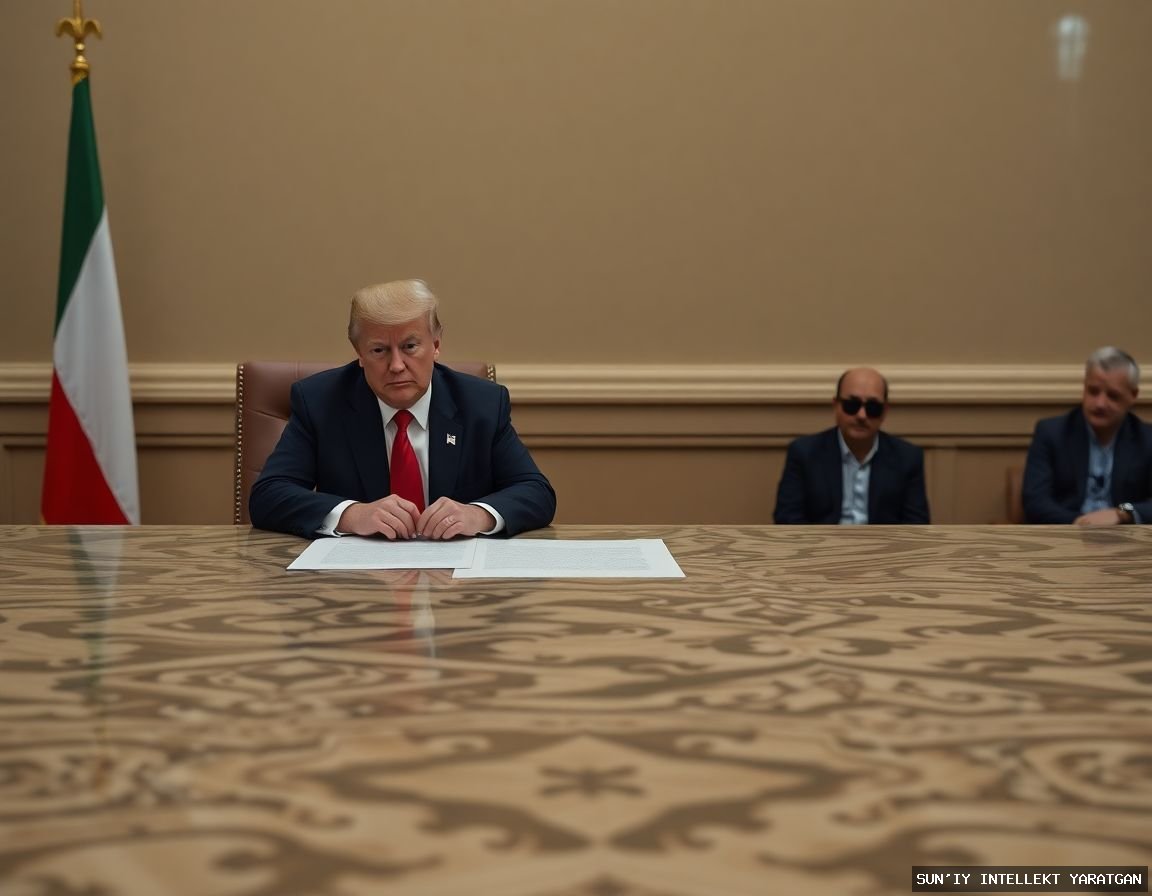
Iran specialists argue that Trump's demand would be rejected as blatant interference in domestic politics. Iran's 1979 revolution was largely fueled by nationalist resentment against foreign intervention, and anti-Americanism has been central to the government's ideology ever since. The absence of diplomatic relations with the US for 46 years presents a far more complex situation compared to Venezuela.
Alex Vatanka, head of the Iran Program at the Middle East Institute in Washington, called Trump's attempt to insert himself into Iran's leadership selection "beyond delusional." He questioned whether the US regime has a workable plan to impose a Venezuela-type scenario, noting that converting existing Shia Islamists to pro-US figures might be even harder than full regime change. However, he acknowledged that individuals within the remaining inner circle of Ayatollah Khamenei might be working with foreign intelligence services.
Naysan Rafati, senior Iran analyst at the International Crisis Group, suggested that the US and remaining regime insiders might share an interest in continuity, but warned this could alienate much of Iran's population. He stated that the neatest outcome for Washington would be securing change within continuity, but this faces two challenges: finding enough voices within the regime to accept change and leaving many Iranians disaffected by the lack of substantive transformation.
South America experts believe Trump's apparent desire to replicate the "Delcy model" reflects his emboldenment by the seemingly successful operation in Venezuela. However, former White House adviser Benjamin Gedan emphasized that beyond Iran being more distant and better-armed than Venezuela, it is too early to tell whether Trump's gambit has even worked in South America. He predicted that the distraction of Middle East conflicts might even benefit Maduro's successors as they seek to outlast Trump and extend their 27-year rule, with their plan being not to remain a puppet regime forever but to hope the US moves on.
Source: www.theguardian.com