Canadian Prime Minister Mark Carney struck a tone of thoughtful statesmanship at the World Economic Forum in Davos, Switzerland, in January, with his speech receiving reverent approval for its serious approach to global responsibility. He warned of the perils of geopolitical brinkmanship, spoke about restraint, and urged the world's most powerful governments to resist the seduction of reckless escalation. This performance was ostensibly meant to position Canada as a moderating force in a chaotic world.
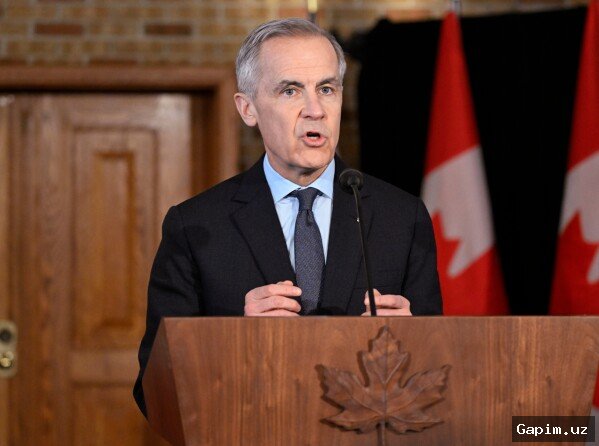
However, just weeks later, Carney's address reads like cynical, disposable fiction after he backed an illegal war on Iran—a conflict being prosecuted by an emboldened U.S. president and an Israeli prime minister averse to nuance and diplomacy. This volte-face starkly contradicts his Davos rhetoric and exposes Canada's familiar pattern of compliance when Washington issues directives. The flimsy image of Carney as a guardian of measured statecraft dissolved instantly, revealing an old instinct of obedience intact.
The human consequences of the war are emerging in heartbreaking detail, with reports indicating that 165 Iranian schoolgirls and staff were killed by a U.S. missile—a tragedy that should compel any government claiming fidelity to decency and stability to pause. Yet, Carney and his administration continue to endorse the conflict, treating these deaths as tragic costs of acquiescence. This highlights a profound moral and strategic failure, as Canada abets an erratic U.S. leader known for viewing concessions as weakness and loyalty as entitlement.
In contrast, Spanish Prime Minister Pedro Sanchez has denounced the war as dangerous folly, arguing it will broaden regional instability. He refused to allow U.S. forces to use bases in Spain for strikes against Iran, a rare and welcome act of defiance within NATO. Sanchez framed this as a principled stand against repeating the mistakes of past wars like Iraq, emphasizing values and interests over appeasing a foreign president. His resistance underscores a split in Western responses to U.S. pressure.
Carney, however, has rejected Sanchez's counsel and the very ideas central to his Davos speech. Rather than oppose violence, he has enabled it; rather than preach restraint, he has abandoned it. This decision forfeits conscience for complicity, demonstrating that his leadership is more about articulate custodianship of expediency than substantive change. In due course, he will be judged for actions that betray his words, revealing a lack of foresight and introspection in a critical geopolitical moment.
Source: www.aljazeera.com