The Kenyan government has reported that at least 42 people have been killed in floods triggered by heavy rains that began across several regions of the country on Friday. Public Service and Special Programmes Minister Geoffrey Ruku told reporters on Sunday that police had documented 42 deaths since then, including 26 in the capital, Nairobi.
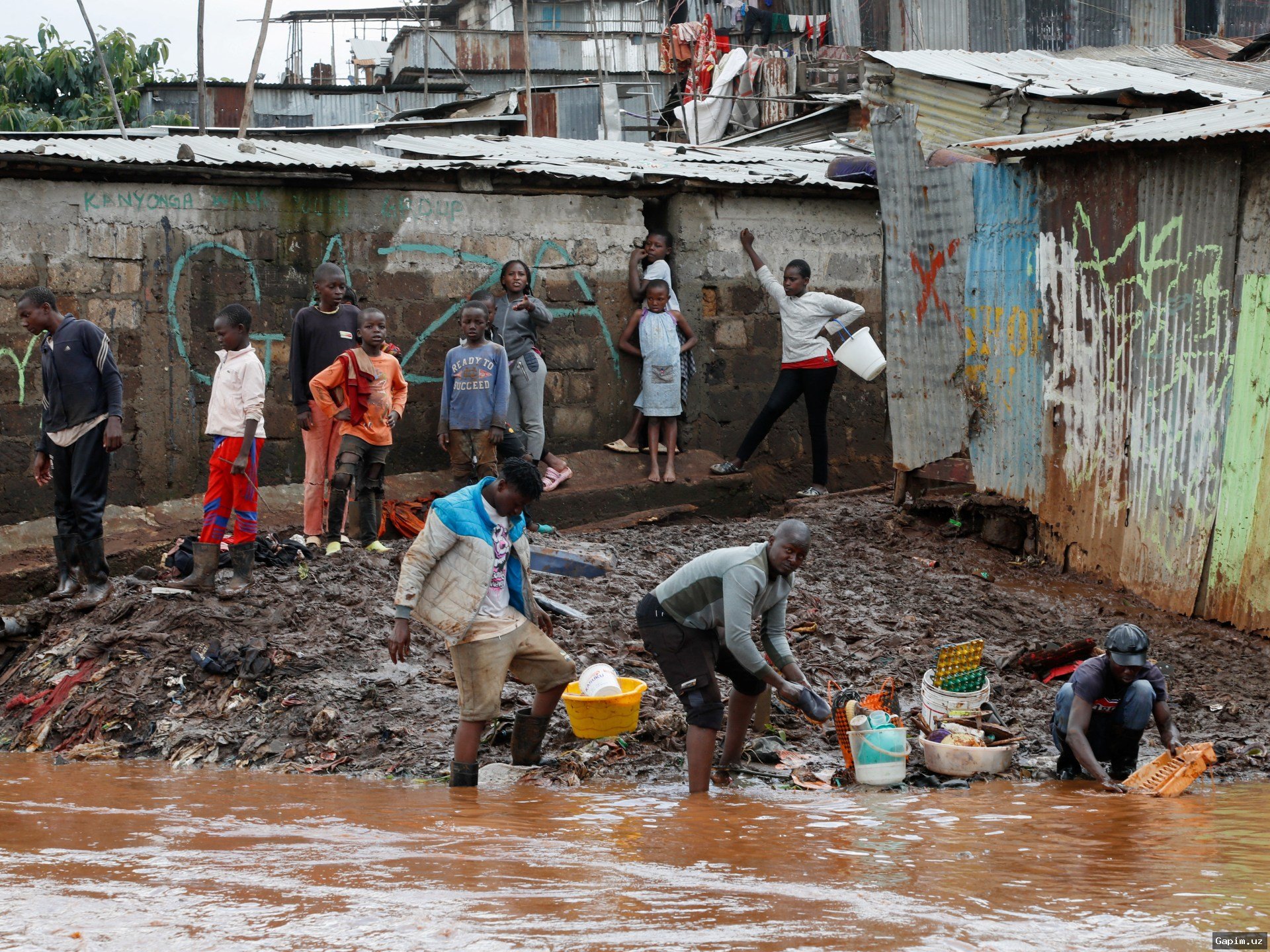
Police said fatalities were reported in multiple counties as torrential rains battered large parts of the country over the weekend, flooding roads and disrupting transport and daily activities in several towns. The floods also caused extensive damage to infrastructure and livelihoods, exacerbating the humanitarian crisis.
In Nairobi, floodwaters swept through low-lying neighborhoods and informal settlements, submerging homes and carrying away vehicles as rivers overflowed their banks. Kenya Airways stated that the rains had disrupted flights to Nairobi and forced some to divert to the coastal city of Mombasa, highlighting the widespread impact on mobility and commerce.
Kenyan President William Ruto said he had deployed a team of emergency responders, including soldiers, to coordinate rescue efforts, while offering condolences to affected communities. In a social media statement on Saturday, he declared, “I have also ordered that relief food from our national strategic reserves be immediately released and distributed to families affected by the floods,” adding that the government would cover hospital bills for those injured or affected and receiving treatment in public health facilities.
Authorities emphasized that the support aims to ease the burden on households impacted by the tragedy. President Ruto noted, “These floods once again highlight the urgent need for lasting solutions to the perennial challenge of flooding in our urban areas,” pointing to systemic vulnerabilities in infrastructure and planning.
Scientists warn that global warming is worsening floods and droughts across East Africa by concentrating rainfall into shorter, more intense bursts. Neighboring countries like Somalia and Ethiopia are also experiencing similar effects. A 2024 World Weather Attribution study found that climate change had made devastating rains in the region twice as likely as before, underscoring the escalating environmental risks.
The Kenyan Red Cross reported that hundreds of households in neighboring counties had been affected, with vast swaths of farmland destroyed. Red Cross spokesman Munir Ahmed told AFP, “I would call for joint efforts between the government and humanitarian agencies to deal with this problem, and to understand why we are having this havoc,” stressing the need for coordinated action to address both immediate relief and long-term resilience.
Source: www.aljazeera.com