In Russia, mass slaughter of livestock began in late 2025 in Siberia and the Volga region. Authorities allegedly explained these actions as an outbreak of pasteurellosis and rabies, but no official documents were provided to support these claims. This situation has raised widespread suspicions among experts and sources from Russian publications.
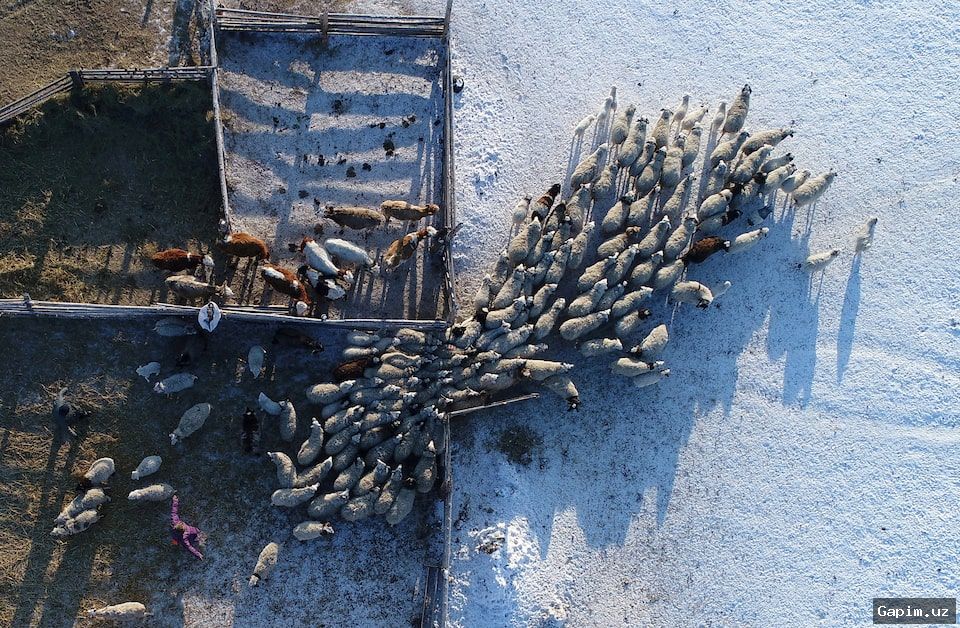
By mid-March 2026, cattle disease was recorded in at least 10 regions of Russia. Quarantine measures, seizure, and destruction of livestock covered a total of up to 90.5 thousand head of animals. In several cases, animals were destroyed in the absence of owners or forcibly seized with police assistance, leading to discontent and anxiety among local populations.
Experts and sources from Russian publications have expressed doubts about the official diagnosis and suggested that the issue may involve foot-and-mouth disease (FMD). They argue that the extreme severity of measures to localize disease foci is explained by this. FMD is a highly contagious virus, and slaughter practices are used worldwide to eliminate it, which could pose a serious threat to Russia's meat and dairy product exports.
In 2025, Russia's meat exports reached a historical maximum of 820 thousand tons, with key importing countries including Belarus, Kazakhstan, China, and Middle Eastern nations. However, an FMD outbreak could lead to the loss of the country's FMD-free status recognized by the World Organisation for Animal Health (WOAH), requiring a multi-year complex process for restoration.
In a March report, the Foreign Agricultural Service (FAS) of the U.S. Department of Agriculture wrote that the scale of measures taken by Russian authorities, especially in the Novosibirsk region, "may indicate an unconfirmed outbreak of foot-and-mouth disease." In response, Rosselkhoznadzor denied the FAS claims, stating that planned vaccination of animals against FMD in the Novosibirsk region has been conducted since 2022.
In early April 2026, China's Ministry of Agriculture confirmed an FMD outbreak in Gansu province and the Xinjiang Uygur Autonomous Region, with the disease detected in 219 animals across two herds totaling over 6 thousand head. Chinese authorities openly stated that the virus entered the country through the northwestern border adjacent to Kazakhstan, Mongolia, and Russia, enhanced border control, and accelerated vaccine development processes.
Kazakhstan announced the start of mass vaccination of domestic animals against the backdrop of worsening epizootic conditions in Russia. Deputy Prime Minister of Kazakhstan Kanat Bozumbayev stated in a declaration that no "serious cases" of FMD in animals have been identified in the country, and restrictions were imposed on the import and transit of animals, livestock products, thermally unprocessed feed, and additives from Russian territories for preventive purposes.
Source: www.gazeta.uz