Tashkent has unveiled a comprehensive plan to reform its transport system, aimed at regulating traffic flow and enhancing pedestrian safety. The strategy, presented by experts from the Center for Traffic Organization (ЦОДД) and targeting 2026, seeks to alleviate congestion on major arteries where current traffic volumes nearly double their capacity. This initiative is part of broader efforts to implement systematic management of vehicle flows in the capital.
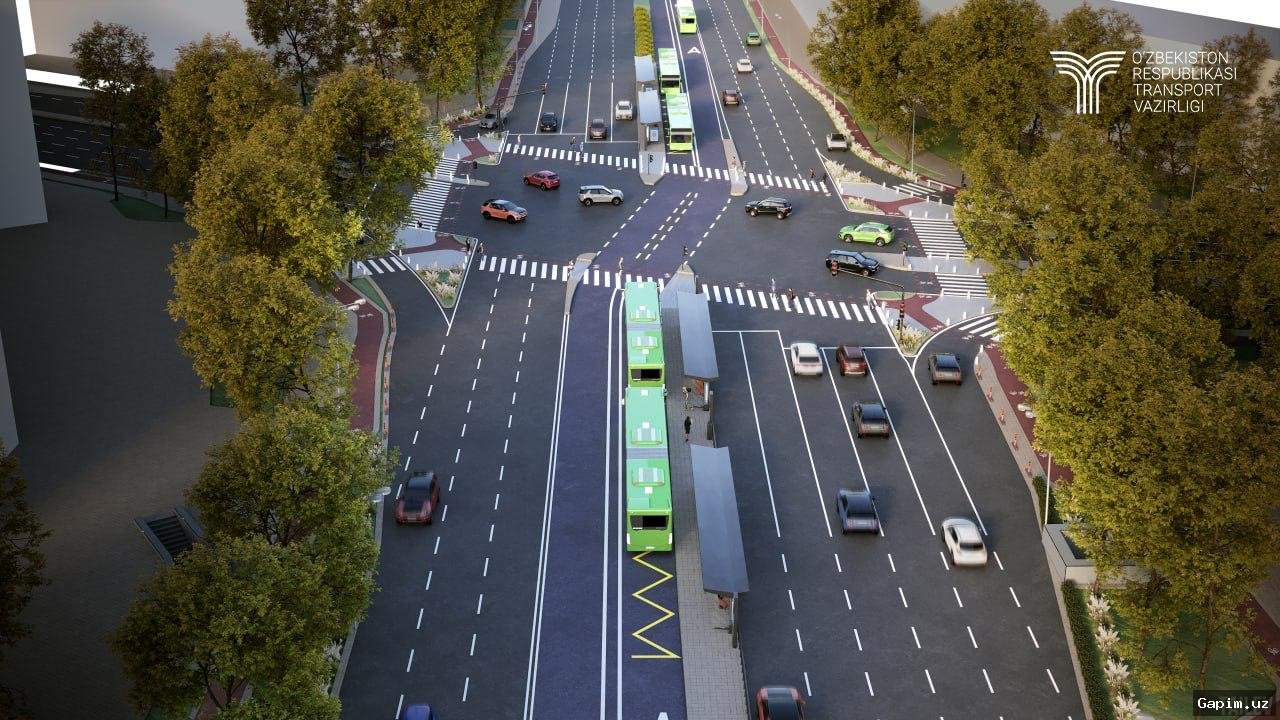
Under the project, the city plans to establish 30,000 new organized parking spaces. Experts anticipate that this will reduce the number of vehicles haphazardly parked on roadsides and sidewalks, thereby helping to ease traffic jams. The move is seen as a critical step in addressing transport issues that have long plagued the city, with previous reports indicating significant economic costs.
As part of the "90-Day Blitz" program, renovations are scheduled for 105 kilometers of sidewalks and improvements to 1,330 pedestrian crossings. Long-term goals through 2030 include expanding the sidewalk network to 120 kilometers and the bicycle lane system to 115 kilometers. These measures are designed to promote sustainable urban mobility, though their execution may face challenges such as funding and logistical hurdles.
Earlier reports highlighted that traffic congestion in Tashkent costs the economy $343 million annually. The new reform thus focuses not only on improving urban infrastructure but also on mitigating these economic losses. However, the success of these plans will depend on effective implementation and adaptation to the city's evolving needs, with potential setbacks in coordination and resource allocation.
Source: podrobno.uz