Samarkand has officially cemented its status as the largest center of Islamic education in Central Asia. On March 19, 2026, the Imam Al-Bukhari memorial complex reopened its doors after a fundamental reconstruction. President Shavkat Mirziyoyev called this object the most important spiritual heritage of the entire region. A Podrobno.uz correspondent, as part of a press tour organized with the support of the Tourism Committee, captured the grandeur of the new architecture and the first steps of pilgrims at the renewed shrine.
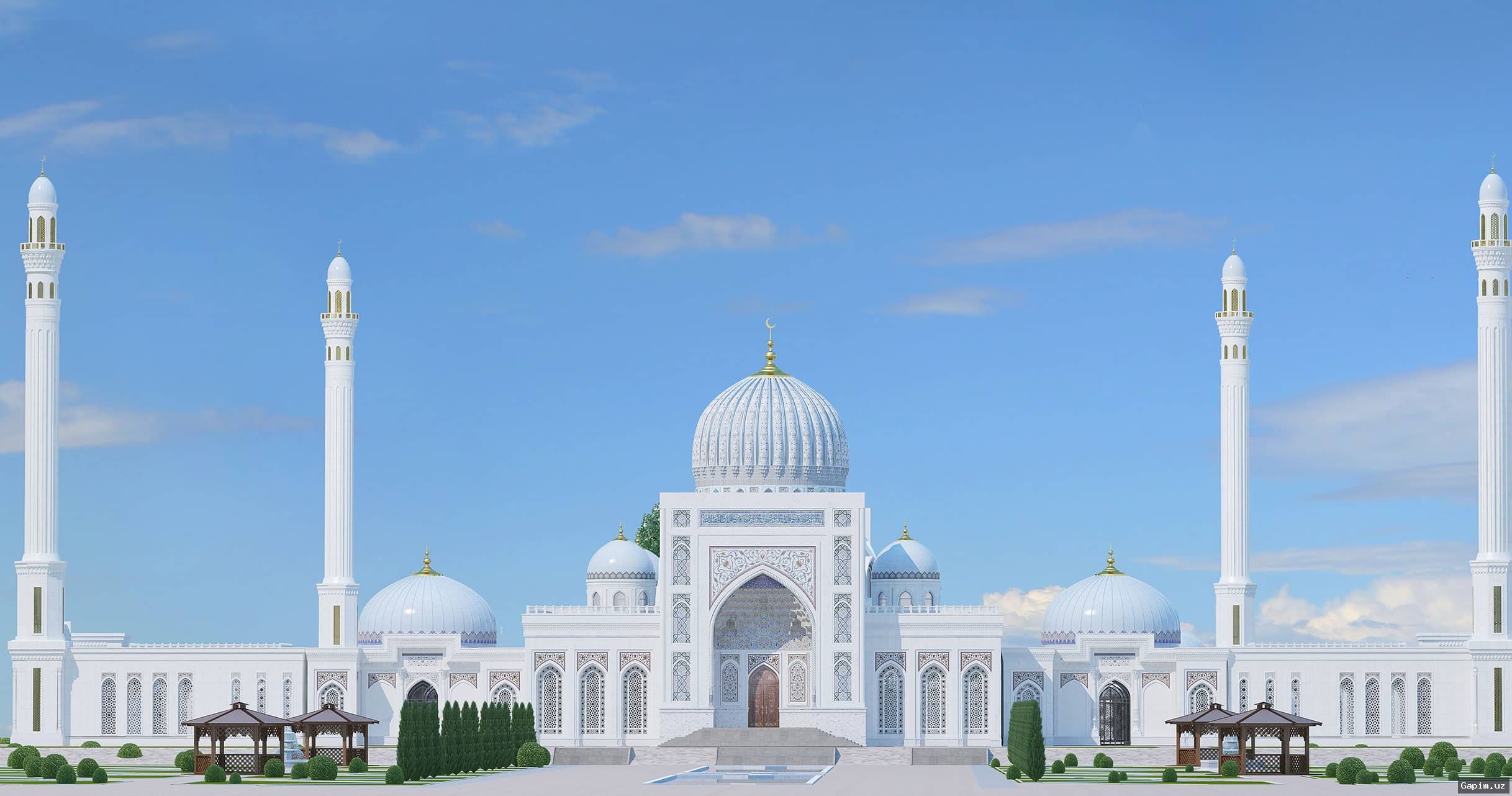
The memorial in the village of Khartang was built on the burial site of the greatest muhaddith, author of the fundamental hadith collection "Sahih al-Bukhari." The project to renew the shrine became a key stage in the state strategy for developing religious and cultural tourism. The head of state reviewed the results of construction and restoration work, emphasizing the object's special role in preserving and studying the rich Islamic heritage.
The architectural ensemble underwent radical changes: a majestic mosque was erected on the territory, which, according to open sources, can accommodate about 10,000 worshippers simultaneously. In addition to religious structures, a modern museum dedicated to the life and scientific activities of Imam Al-Bukhari has been opened here.
The reconstruction covered not only the main buildings but also the entire surrounding area. For the convenience of visitors, landscaped pedestrian zones, modern rest areas, and accompanying tourist infrastructure have been created. The technical capabilities of the updated complex allow it to receive significant daily flows of people, ensuring international standards of comfort and safety.
Just a few days after the official events, the shrine began operating in normal mode. As of March 22, the complex is actively receiving visitors. The correspondent's lens captured numerous groups of pilgrims performing ziyarat, as well as foreign tourists who arrived to study the new architectural gem of the Samarkand region.
The object is expected to become a powerful driver of the country's tourism potential, transforming into a global center for pilgrimage tourism and a scientific platform for researchers of Islamic theology and philosophy.
Source: podrobno.uz