On May 6, an international roundtable dedicated to the development of the insurance and reinsurance market was held in Tashkent. The event brought together representatives of relevant agencies, international and local experts. They discussed how Uzbekistan can form a sustainable national insurance system amid the rapid growth of infrastructure projects.
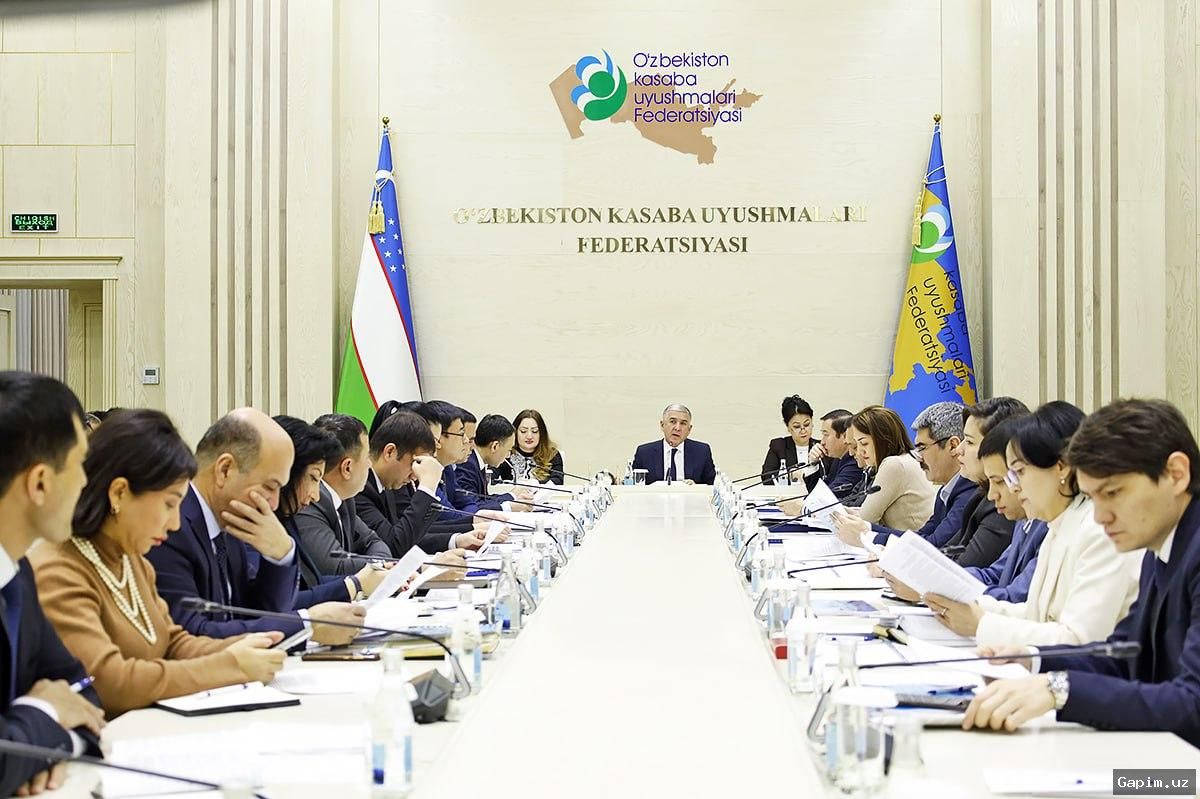
The main focus was on the experience of Saudi Arabia, which has managed to turn the insurance sector into an important element of the economy. Issues of reinsurance localization, attracting international capital, and balancing risk retention within the country with integration into the global market were also discussed.
Bassam Al-Bader, Deputy Director General for Prudential Supervision of the Saudi Insurance Authority, spoke about how Saudi Arabia transformed its virtually unregulated insurance market dominated by foreign branches into one of the key drivers of the national economy over 20 years. According to him, in the mid-1990s, the Saudi insurance market operated with virtually no regulatory framework. In 2003, the Central Bank introduced the first insurance regulations, and the foundation of the modern market was laid with the introduction of mandatory insurance types — motor and health insurance.
The key transformation occurred after the launch of the Vision 2030 state program, under which insurance was recognized as one of the most important elements of the country's financial system. In 2023, an independent regulator, the Saudi Insurance Authority, was established. Since the reforms began in the 2000s, the volume of insurance premiums collected has increased approximately 20-fold. The share of the insurance sector in non-oil GDP rose from 1.6% to 2.4%. There has also been significant growth in local workforce training: the share of local specialists increased from 40% to 85%.
Al-Bader noted that the regulator deliberately stepped away from the role of a strict "controller" and relied on open dialogue with market participants. "You don't have to make everything perfect to start. You can start the process now and adjust the rules along the way," Al-Bader said. The regulator has created a special regulatory "sandbox" that allows testing new ideas, such as artificial intelligence and automotive telematics, before introducing them into broad legislation.
Historically, large infrastructure projects in the kingdom were insured abroad — up to 95% of risks were transferred to offshore entities. However, due to consistent policy and improved ratings of local companies, the situation is changing. Today, the level of risk retention within the country for small projects has already reached 100%, and for large facilities, the share of local capital is gradually increasing to a target of 30-50%.
Oybek Khalilov, Chairman of the Association of Professional Participants of the Insurance Market of Uzbekistan, inquired about the strategy for attracting foreign players. Al-Bader explained that Saudi Arabia's approach differs from creating offshore zones: the regulator invites foreign companies to operate directly in the domestic market. Additionally, a "right of first refusal" rule has been introduced: a company must first offer the risk to local reinsurers. Only after local participants receive a quota of at least 30% are companies allowed to access the international market.
Shokhrukh Rakhimov, a representative of the National Reinsurance Company, added that since last year, legislative changes have come into force in Uzbekistan that prioritize risk retention within the country before transferring them to foreign reinsurers. Khalilov explained that all risks planned for transfer to foreign reinsurers must first be offered to the national reinsurance company. Only after the internal capacity is fully exhausted is the remaining share allowed to be placed on the international market.
Barry Williams, founder of consulting firm INDECS, noted that such rules create certain difficulties for international brokers and creditor syndicates. According to him, creditors always seek confidence in the reliability of insurance protection. If there is uncertainty about the future structure of the insurance program, it becomes much more difficult for creditors to invest.
Mark Vermeiren, Head of Asia at insurance broker Marsh, stated that the scale of projects in Uzbekistan is growing rapidly. The value of some assets today ranges from half a billion to 1.5 billion dollars, with operational lifetimes exceeding 20 years. "Insurance and reinsurance are not just a cost item. Yes, it is a cost, but it is a critical element of infrastructure that allows Uzbekistan to expand its energy transition, attract capital, and maintain stability," Vermeiren emphasized.
Global reinsurers, thanks to their diversified portfolios worldwide, are able to absorb large and rare losses. According to the expert, the presence of reliable reinsurance protection is a key condition for access to international capital.
Concluding the meeting, Abigail Simpson, Senior Vice President of Power and Renewables at Marsh for the IMEA region, recalled that Saudi Arabia began retaining insurance premiums within the country with mandatory and predictable types — motor and health insurance. In the expert's opinion, this lesson is timely for Uzbekistan, which is undergoing a stage of economic growth.
Source: www.gazeta.uz