The Israeli military announced a new wave of strikes on the Iranian capital Tehran and the Lebanese capital Beirut early on Saturday, March 21, 2026. According to Israeli sources, the strikes on government targets in Tehran were carried out after Iran launched missiles toward Israeli territory at least three times within six hours. No immediate details on the outcomes were provided.
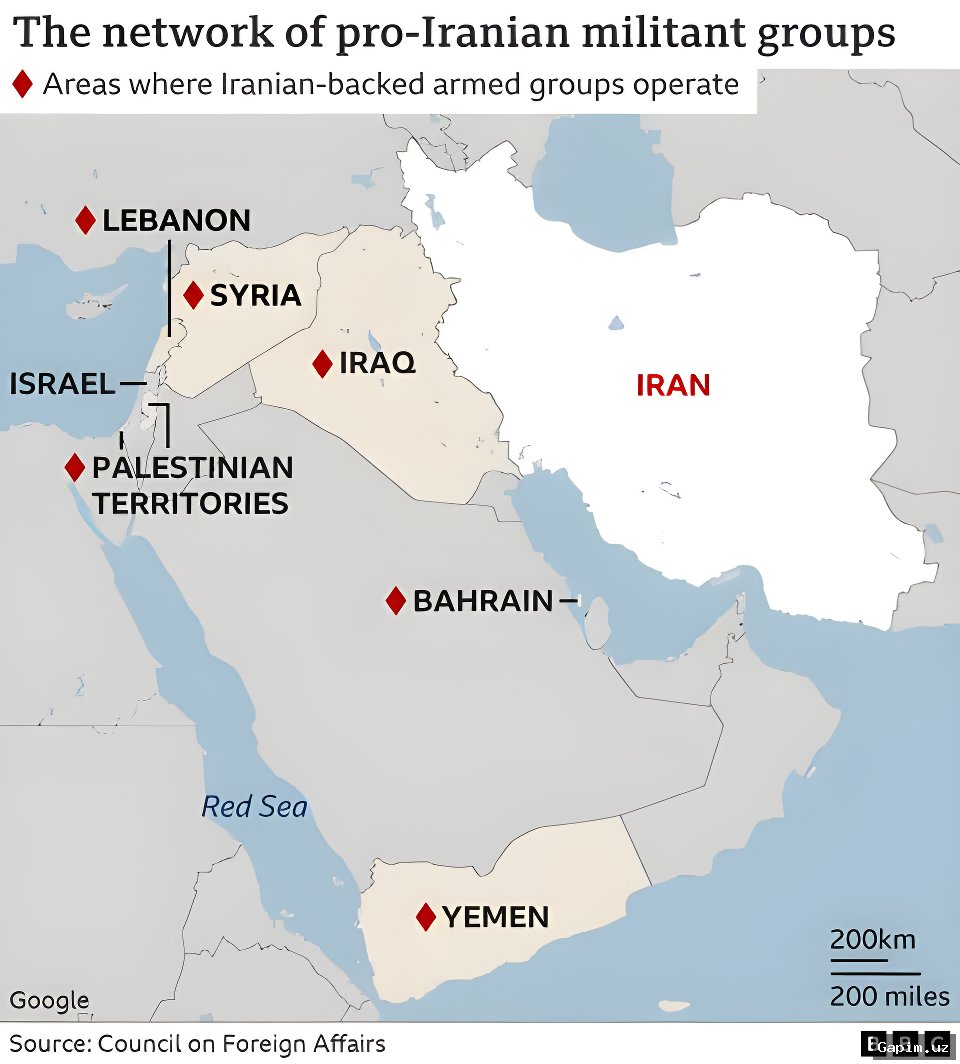
The strikes on Beirut targeted the Iran-backed militant group Hezbollah, with Israel calling for evacuations in several areas. Hezbollah, in turn, claimed its fighters had targeted Israeli troops in six villages in southern Lebanon. This conflict has become the deadliest spillover of the joint US-Israeli military operation against Iran that began on February 28, 2026, resulting in over 1,000 deaths and more than 1 million displaced in Lebanon.
Iran has expanded its military responses, firing two intermediate-range ballistic missiles at the joint US-UK military base Diego Garcia in the Indian Ocean, though both missiles reportedly missed their target. This suggests Iran possesses missiles with longer ranges than previously assessed. Additionally, Iran has deployed swarms of drones against Saudi Arabia and other neighboring Gulf states, with Saudi Arabia reporting the interception of 22 drones in its eastern region overnight.
The war in the Gulf is threatening global energy supplies, as maritime traffic through the strategic Strait of Hormuz—a vital passage for one-fifth of the world's oil—has largely ground to a halt due to Iranian attacks on tankers in retaliation for the US-Israeli operation. This has driven a sharp spike in global oil prices.
The US regime has decided to temporarily lift sanctions on Iranian oil in a purported bid to curb rising global prices. Treasury Secretary Scott Bessent hinted that Washington might "unsanction the Iranian oil that's on the water," describing the move as "using the Iranian barrels against the Iranians to keep the price down." The authorization applies to oil loaded by March 20 and lasts until April 19, following similar temporary measures by the US on Russian oil.
Iranian Foreign Minister Abbas Araghchi expressed willingness to ensure safe passage for Japan through the Strait of Hormuz but denied closing the waterway. He stated that countries attacking Iran face restrictions, while others are offered assistance. Japan relies heavily on Middle East energy imports, with 95% of its oil coming from the region, making this offer significant amid the ongoing conflict.
Source: www.dw.com