German Finance Minister Lars Klingbeil of the Social Democratic Party (SPD), who styles himself as the 'Minister of Investment', is facing intense scrutiny over his management of a €500 billion special debt fund. Approved by the Bundestag in 2025 for infrastructure and climate neutrality projects, the fund is now at the center of a major controversy, with two leading economic research institutes publishing damning reports alleging that the money is being used to plug budget gaps rather than finance new investments.
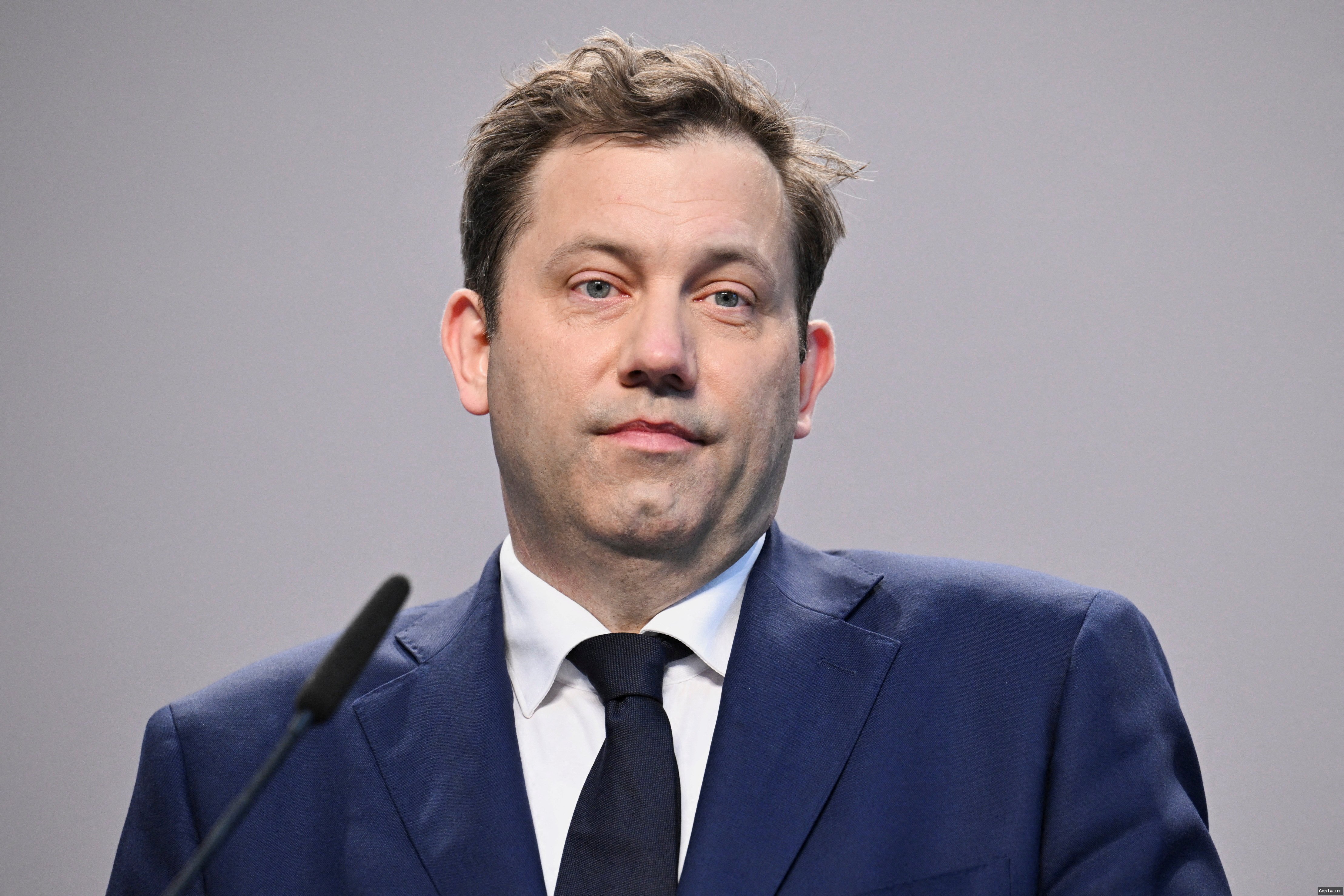
The Ifo Institute in Munich and the German Economic Institute in Cologne have calculated that instead of allocating resources from the special fund for fresh investments, Klingbeil is diverting them to balance the 2025 budget. Klingbeil has denied these accusations, claiming that loans from the debt fund were spent exclusively on infrastructure as legally required. 'What matters is that swimming pools are being renovated, bridges are being repaired, high-speed internet is being installed. That is what matters most right now,' the minister stated this week in Berlin.
However, Clemens Fuest, head of the Ifo Institute, reiterated his earlier warnings, stating that 95% of the funds have been misappropriated for budgetary balancing. 'In light of the current situation, indirect financing of such expenditures or tax cuts through debt is clearly not appropriate,' Fuest told public broadcaster ARD. 'What we need is not the distribution of handouts and favors, but rather cuts to non-priority spending. The coalition is headed in the exact opposite direction.'
Senior Finance Ministry officials have criticized the economic institutes for making 'inappropriate comparisons' between the old 2024 budget plan and the new 2025 plan. The ministry asserts that investments from the federal budget and additional investments from the special fund totaled €87 billion last year, representing a 17% increase compared to 2024 and thus meeting the legally mandated 10% investment target in the core budget.
Experts at the research institutes interpret the figures differently, accusing the finance minister of using €23 billion from the special fund to finance investments previously earmarked in the core budget. This constitutes an accounting sleight of hand, according to both the researchers and opposition parties in the Bundestag. The Greens and the far-right Alternative for Germany have threatened to file lawsuits with the Federal Constitutional Court over the alleged misuse.
The special fund is intended to last for 12 years, with federal investments projected to reach €128 billion in 2026, €58 billion of which will come from the fund. Spending is expected to remain at similar levels until 2029, but from 2030 to 2036, only about €20 billion per year can be drawn from the debt-financed fund. Starting in 2037, all investments must again come from the regular budget. As a commentator from the business newspaper Handelsblatt noted, 'The entire narrative of the 'investment minister' that Klingbeil has crafted for this legislative term has not worked out so far. Instead, he comes across as the 'minister of reallocation.''
Source: www.dw.com