A new UN report highlights that fish species undertaking long migrations through rivers, lakes, and ponds are facing combined threats from dams, pollution, and overfishing, preventing them from reaching breeding grounds. Flagship species such as the golden mahseer and goonch catfish are among 30 priority fish identified for global conservation efforts.
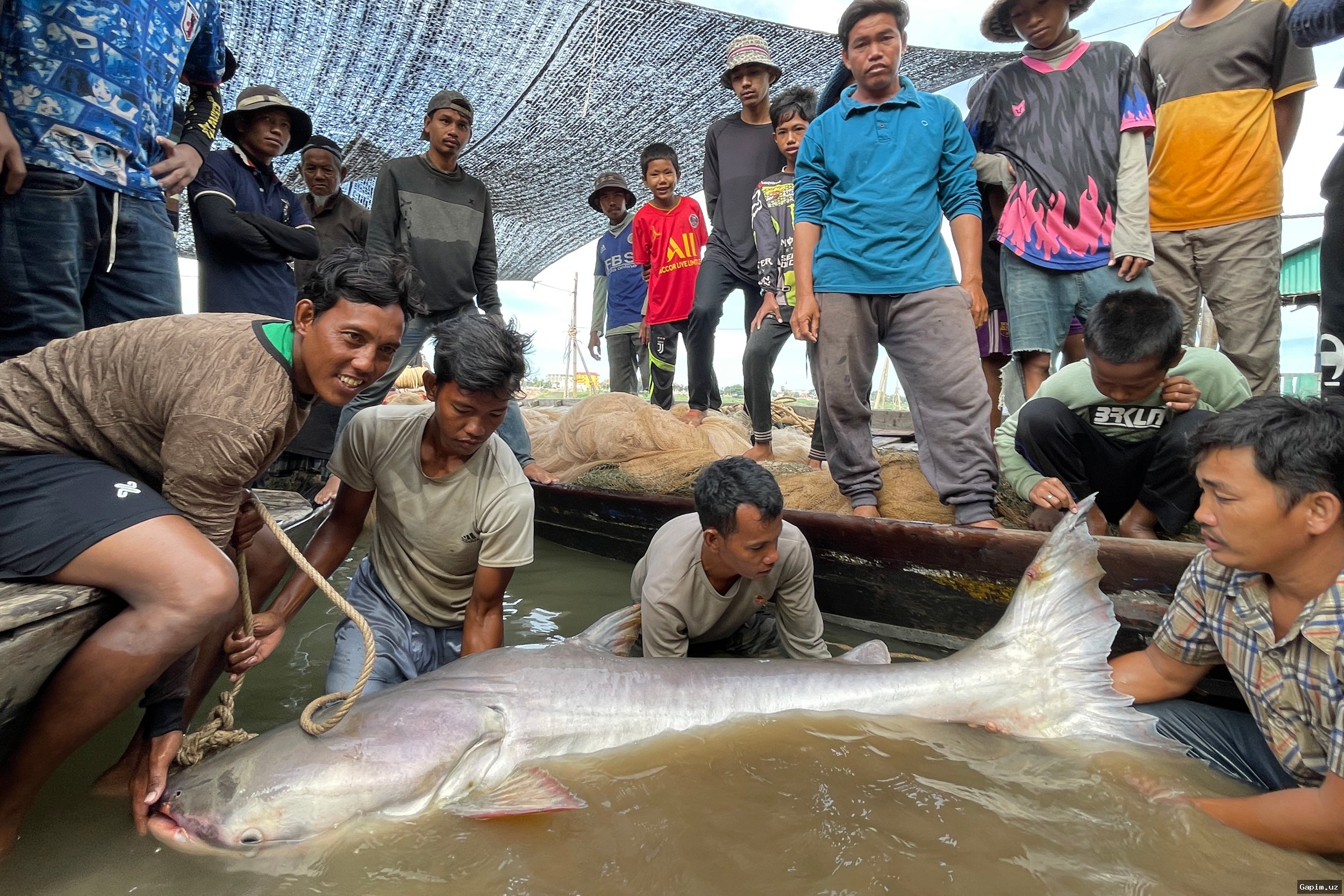
An international team of scientists assessed over 15,000 species of migratory freshwater fish, which constitute half of all fish species, and found their populations have dropped by an estimated 81% in the last half-century. The authors stated that this group has long been overlooked but "are an essential part of people's livelihoods."
Dr. Zeb Hogan, co-author of the report and a biology professor at the University of Nevada, Reno, emphasized, "Freshwater fish support hundreds of millions of people around the world, so for humans, they're very important." He added that migratory freshwater fish not only provide sufficient food for 200 million people globally but also possess immense diversity requiring protection.
Michele Thieme, deputy lead for freshwater at World Wildlife Fund US and a contributor to the report, explained that species like the golden mahseer face two major threats: overfishing and habitat loss. "Habitat loss includes things like dams that fragment a river system and can change the natural flow regime of a river, which results in fish not being able to connect to their spawning habitats," she said.
Disruption to migration is a particularly prevalent issue in Europe, where fish encounter barriers to their routes every kilometer on average. Dr. Janina Gray, head of science at the environmental charity WildFish, noted that barriers are often small culverts or weirs that are redundant and could be removed, but their cumulative effect on migrating fish is enormous.
As many species cross national borders during their migrations, coordinated efforts between governments are necessary to address these threats and ensure the recovery of stocks. The UN is now proposing to add the 30 fish species to the Convention on the Conservation of Migratory Species of Wild Animals, a global treaty signed in 1979 that commits countries to collaborate in protecting migratory species.
Amy Fraenkel, the UN Executive Secretary for the Convention on Migratory Species (CMS), pointed out that the focus of the convention has previously been on more well-known species like big cats, antelopes, whales, and dolphins, and it is now time for migratory freshwater fish to benefit from coordinated action.
Source: www.bbc.com