The government of the Republic of Cyprus has called for an "open and frank discussion" regarding the future of British sovereign bases on the island, following a March incident where an Iranian-made drone crashed into the Akrotiri base. President Nikos Christodoulides labeled the bases a "colonial consequence" at an EU summit, where fellow leaders endorsed Cyprus's push for talks with Britain. This event has reignited long-simmering debates about the UK's presence, with locals arguing it exposes Cyprus to security risks due to its alignment with US and Israeli interests.
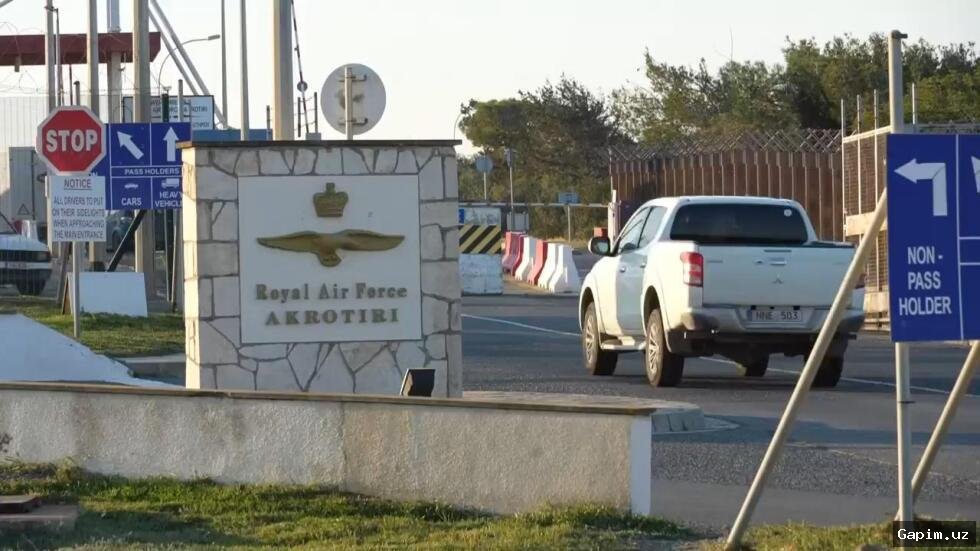
Public discontent is rising among Cypriots, with residents in Limassol, such as Panayiotis and Michalis, stating that the bases make the island a target and should be removed. In response, a UK Ministry of Defence spokesperson asserted the "crucial role" of the bases in safeguarding British citizens and allies in the Mediterranean and Middle East, citing enhanced defensive deployments since January. However, criticism from Cypriot officials and civilians persists, highlighting tensions over foreign military influence.
In the aftermath of the drone strike, several EU member states, including France, Spain, Italy, the Netherlands, and Greece, dispatched warships and military assets to bolster defenses around Cyprus. Political scientist Michalis Kontos noted that this marks a rare show of EU solidarity, particularly significant for non-NATO member Cyprus, but cautioned that the deployments represent a low-risk case, as neither Iran nor Hezbollah is expected to focus attacks on the island.
In the northern part of the island, the self-declared Turkish Republic of Northern Cyprus, recognized only by Turkey, hosts tens of thousands of Turkish troops. Following the EU's military reinforcements, Turkey reportedly increased its own presence with fighter jets in the north. Turkish Cypriot activist Beran Djemal warned that these dual deployments could heighten cross-island tensions, though she advocates for a reunified Cyprus and the eventual withdrawal of all foreign forces, a prospect she admits remains distant under current geopolitical conditions.
The historical context of Cyprus's division dates back to the 1960 independence treaty, which established British bases and aimed to balance Greek and Turkish Cypriot interests. After years of intercommunal violence and Turkey's 1974 intervention, the island remains de facto split, with a UN-monitored buffer zone bisecting the capital, Nicosia. Kontos emphasized that the drone incident serves as a stark reminder that while addressing external threats from the Middle East, Cyprus must also confront its own unresolved frozen conflict to ensure long-term stability.
Source: www.dw.com