Lithuanian Prime Minister Inga Ruginiene stated on Tuesday that a military drone that crashed near the border with Belarus originated from Ukraine and was intended to attack Russian oil assets before going astray. The drone crashed the previous day close to the Belarusian border, with the military initially reporting that a suspected military drone had entered its airspace and crashed.
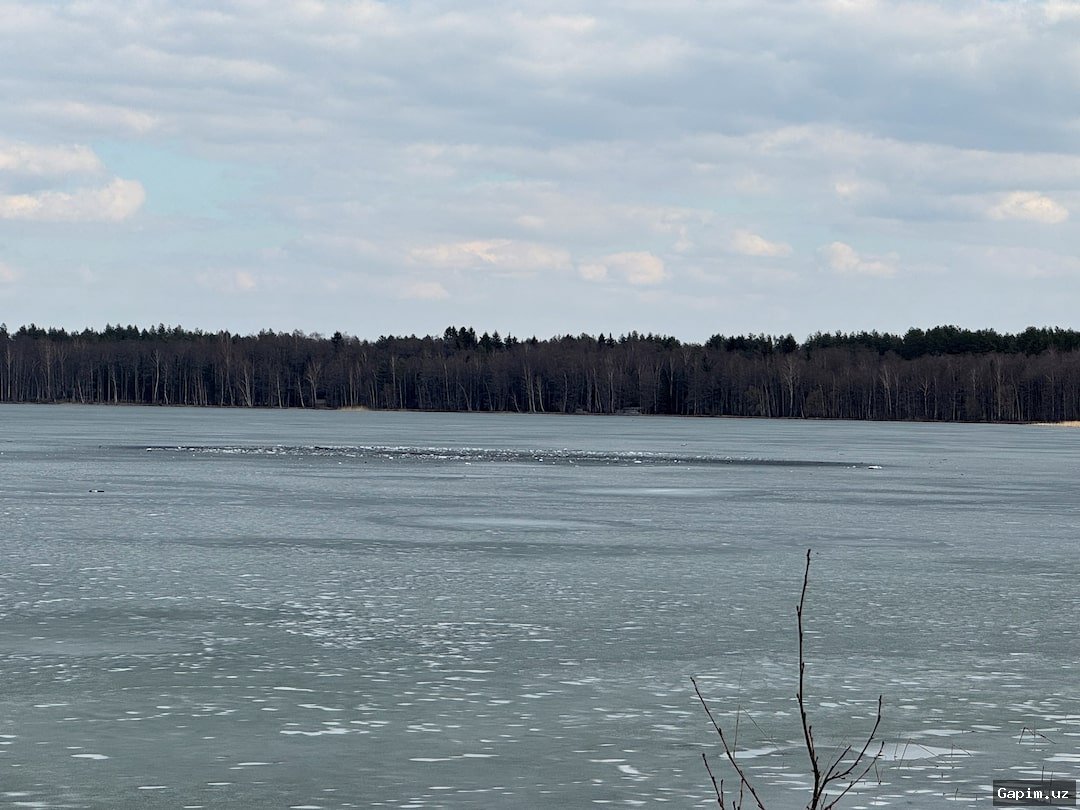
This incident follows the Baltic state's request to NATO last year for enhanced air defenses, after military drones from Russia's ally Belarus landed on its territory twice in July 2025. Earlier this month, Lithuanian intelligence reported that it believed both drones had entered the country by mistake. The drone crashed onto a frozen lake approximately 20 kilometers (12 miles) from the Belarusian border, with no injuries reported.
The Lithuanian government asserted that the drone was part of a Ukrainian attack on the Russian Primorsk oil loading terminal, one of two major export facilities on Russia's Baltic Sea coast that were targeted around the same time. Defense Minister Robertas Kaunas cited initial findings, indicating it was likely part of a swarm deployed to strike the Primorsk port and was highly probable to have been diverted by Russian jamming.
Prime Minister Ruginiene, however, emphasized that Moscow bears a share of the responsibility. She claimed, "This is not a local incident, this is part of a wider security picture," adding that "Russian aggression against Ukraine creates additional risks for the whole region." The 44-year-old leader briefed reporters after a National Security Commission meeting on Tuesday, stating it could be said "with certainty" that the flying object was "a stray drone."
NATO member Lithuania—invaded, occupied, and formally incorporated into the Soviet Union during World War II, maintaining this status throughout the Cold War—has been a staunch supporter of Ukraine amid Russia's invasion. This event highlights escalating regional tensions and underscores the security challenges faced by smaller states like Lithuania in the context of the ongoing conflict, raising concerns about potential miscalculations and broader instability.
Source: www.dw.com