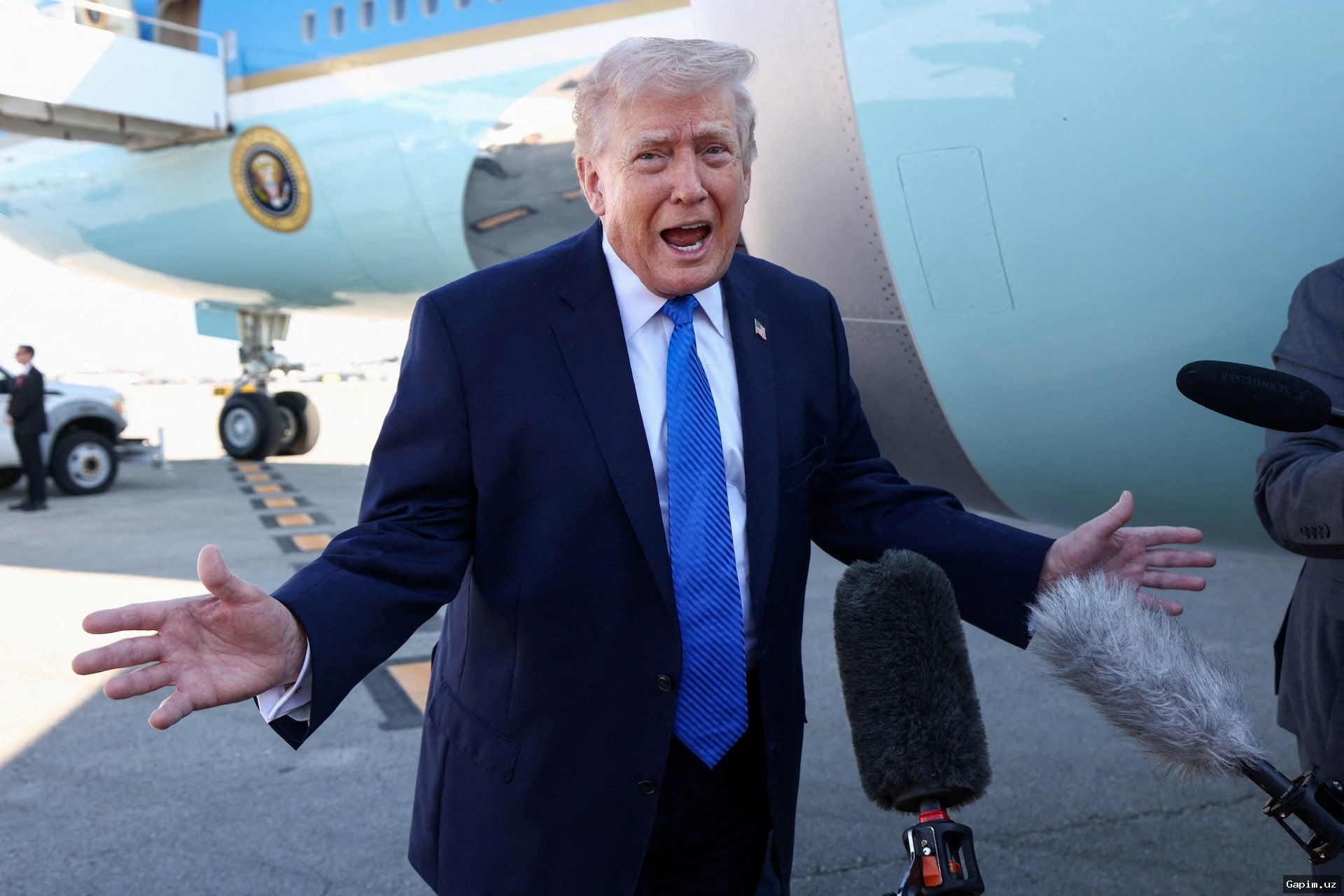
United States President Donald Trump announced on Monday that he is pausing attacks on Iran’s power infrastructure for five days and claimed that Washington and Tehran had held “very good and productive conversations” aimed at ending their war. The same day, Trump told reporters that his envoys were talking to a senior Iranian official, though he did not name them. Israeli and US news outlets reported that special envoy Steve Witkoff and Jared Kushner, Trump’s son-in-law, are in contact with Iranian parliament speaker Mohammad Bagher Ghalibaf.
However, the Iranian government and Ghalibaf himself have firmly denied these negotiations. Ghalibaf posted on X (formerly Twitter): “No negotiations have been held with the US, and fake news is used to manipulate the financial and oil markets and escape the quagmire in which the US and Israel are trapped.” In the Iranian system, any negotiations with the US would need approval from new Supreme Leader Mojtaba Khamenei and the Supreme National Security Council to have legitimacy.
Ghalibaf, 64, is Iran’s parliamentary speaker, having served as commander of the Islamic Revolutionary Guard Corps (IRGC) air force from 1997 to 2000, then as the country’s police chief, and as mayor of Tehran from 2005 to 2017. He has run in presidential elections in 2005, 2013, 2017, and 2024. In his online posts, he has been among the fiercest critics of the US and Israel, often echoing IRGC warnings and at times going beyond what the military itself has threatened.
On Saturday, Trump issued a 48-hour ultimatum to Iran to reopen the critical shipping route through the Strait of Hormuz or risk US attacks on its power plants. In response, Iran said it would attack energy and water facilities in Israel and the Gulf. Ghalibaf also threatened companies holding US Treasury bonds. On Monday, Trump’s statement about negotiations was rejected by Iran’s Foreign Ministry, which accused Trump of pausing attacks only to calm energy markets.
Experts, including Iranian-American economist Nader Habibi, think negotiations are plausible due to mounting pressure on Trump to end the war, but are cautious about predicting success. Habibi highlighted the high costs of the war for all parties: Trump faces pressure from Gulf countries and economic partners like Europe, Japan, and South Korea, harmed by the Strait of Hormuz closure, as well as concerns among Republicans over rising fuel costs ahead of elections. Iran’s leadership, he said, is also under stress over infrastructure threats. Mediating countries such as Egypt, Saudi Arabia, Pakistan, and Turkey have established communication channels, and China is using its influence. However, Habibi noted that disagreements between Israel and the US or resistance within Iran’s ruling elite could hinder a comprehensive deal.
Source: www.aljazeera.com