One of the most emotional moments of the power transfer in Hungary occurred on May 9, when a group of children in white shirts entered the plenary hall of the neo-Gothic parliament building in Budapest, playing tamburas and guitars and singing the unofficial anthem of the Roma in Hungary. It brought tears to the eyes of many MPs and tens of thousands gathered outside.
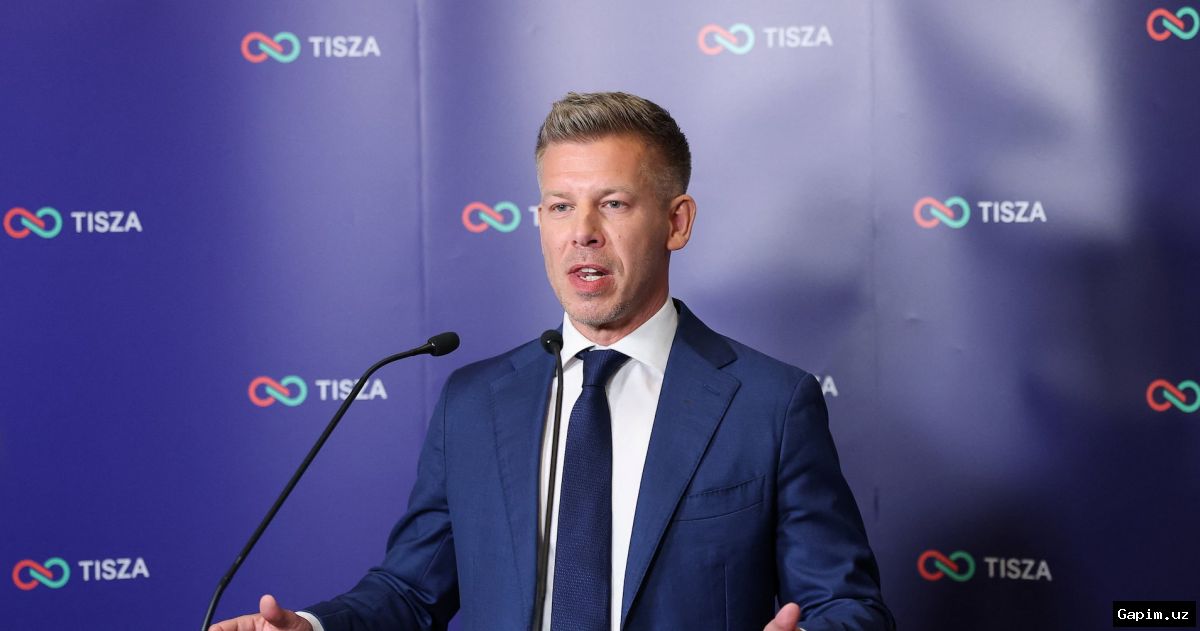
Aladar Horvath, a prominent Roma civil rights activist and one of Hungary's first Roma MPs after communism, said: "I too was moved to tears. It was as if we were finally coming home." The performance fulfilled a promise made by new Prime Minister Peter Magyar in November 2025.
Magyar demonstrated a knack for symbolic politics, hugging Roma singer Ibolya Olah after she performed the patriotic song "Magyarorszag," which nationalists had long prevented her from singing. The event marked a historic moment for the Roma community after 16 years of Viktor Orban's authoritarian regime, which was deeply anti-Roma.
The Tisza parliamentary group now includes four Roma lawmakers. Krisztian Koszegi became the first Roma person in Hungarian history elected deputy speaker of the National Assembly. Magyar has strongly condemned antiziganism, criticizing the far-right Mi Hazank party for walking out during the Roma children's performance.
Under Orban, the Roma community was trapped in a caste-like system of state dependency. In 2012, Orban said "everyone must work" because "one can't make a living from crime." In January 2026, Transport Minister Janos Lazar referred to Roma as "domestic reserves" to clean train toilets. Segregation and educational disadvantages were widespread.
Magyar and Tisza have pledged to end discrimination. Their manifesto states that Orban's system despised Roma and that Tisza is different, promising to overhaul public works programs, end school segregation, and improve housing and healthcare.
However, many prominent Roma figures are taking a wait-and-see approach. Sociologist Angela Kocze wrote that Roma are used to legitimize campaigns but forgotten when positions are filled. No Roma were appointed as ministers, sparking disappointment.
Activist Horvath said: "The question remains: cosmetic changes or a systemic overhaul? A great deal depends on Peter Magyar. If he succeeds in convincing the majority that the Roma are just as Hungarian as all other Hungarians, he will be counted among the great statesmen."
Source: www.dw.com