Young people around the world are facing intensifying competition for entry-level jobs as graduate numbers surge, hiring slows, and artificial intelligence (AI) adds uncertainty to career prospects. The crisis, first evident in China, signals major economic and social challenges requiring government and business action.
Last year, unemployment and weak opportunities drove young people to protest in Kenya, Peru, Nepal, Indonesia, and the Philippines. This year, youth joblessness fueled demonstrations in South Africa and Morocco, while in India it spawned the satirical Cockroach Janta Party, which gained national attention.
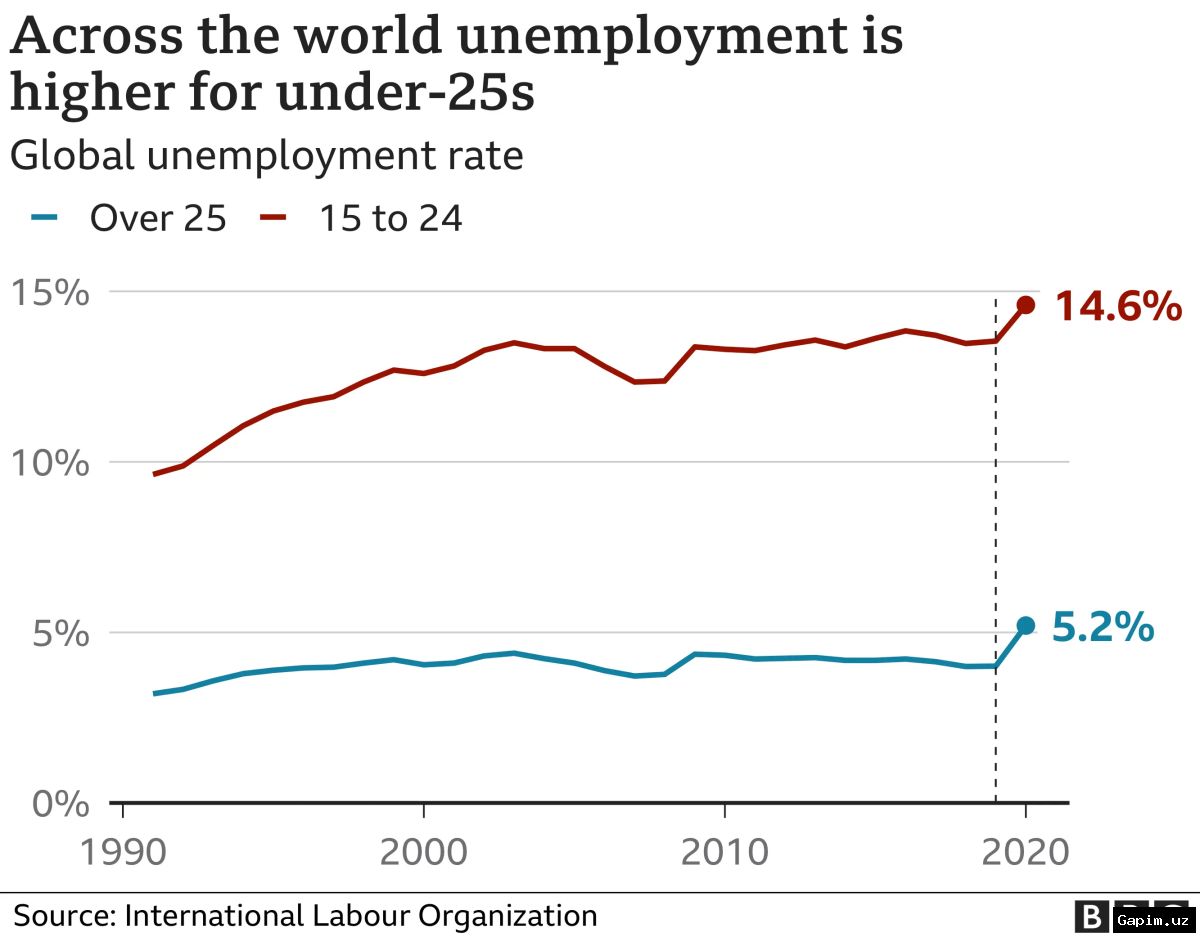
Youth unemployment, typically affecting those aged 15-24, is usually higher than overall joblessness due to lack of experience and networks. But the gap is widening in many nations. In China, university enrollment and graduate numbers outpaced job creation, leading to anxiety and underemployment.
In May, China's official urban youth unemployment rate (ages 16-24) stood at 15.6%, three times the overall rate of 5%. Since 2023, data excludes millions of students, complicating comparisons. Technology, sluggish hiring, and rising competition have weakened the link between degrees and secure white-collar careers.
AI is feared as a potential mass destroyer of entry-level jobs. In the UK, postings for graduate jobs have fallen faster than for non-graduate roles, with many exposed to AI. Research shows that firms adopting AI faster saw slower employment growth for 15-24-year-olds.
Sara Elder of the International Labour Organization (ILO) says economies are not dynamic enough, and job creation lags behind the number of young jobseekers. Employers are raising hiring criteria, making it harder for youth to gain a foothold.
While Europe lacks a broad youth jobs crisis, the ILO found that youth unemployment rose in 8 of 11 global regions between 2023 and 2025. Opportunities declined in manufacturing, construction, and services, though high-skilled technical fields fared better.
In Germany, a survey showed students are less optimistic about finding suitable work after graduation than two years ago. Policymakers and employers need to invest in decent jobs and support school-to-work transitions, says Elder.
Economist Golo Henseke cautions against blaming youth skills: "Today's graduates are very unlikely to be less capable than those a few years ago. What would help most is economic growth."
Source: www.dw.com