On March 29, prominent Uzbek journalist, poet, translator, and former people’s deputy Karim Bahriyev passed away at the age of 63 after a serious illness. Throughout his career, he served as editor-in-chief of the newspaper “Hurriyat” and authored dozens of books and manuals on journalism. Bahriev translated works by authors such as George Orwell (“1984”), Henry Ford (“My Life”), and others into Uzbek.
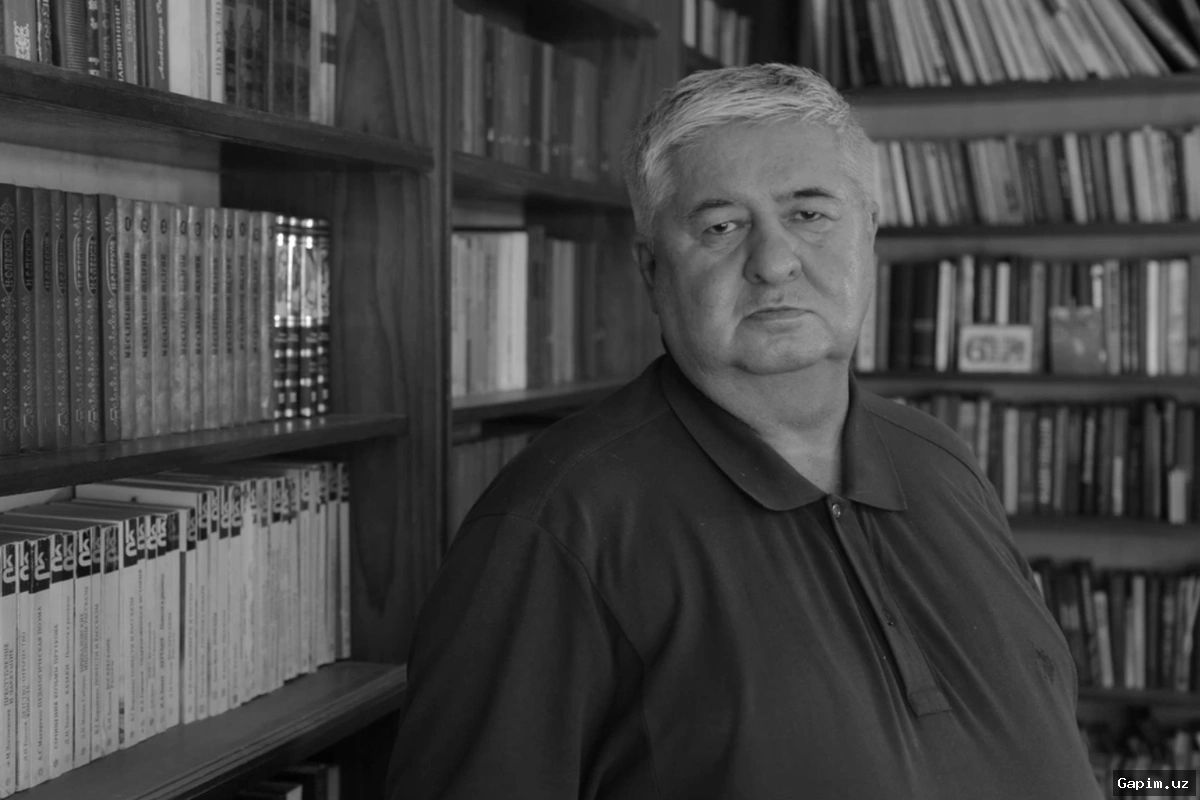
In recent years, he worked as a professor of media law and ethics at the University of Journalism and Mass Communications. His article “The Agony of Awakening,” published in 1991 in the newspaper “Uzbekistan Literature and Art,” focused on democratic reforms and human rights. In it, Bahriyev warned of emerging tendencies of “personality cult” at that time.
In the article, Bahriyev reflects on his experience as a people’s deputy, describing the challenges faced by the group labeled “democrats.” He stated that they genuinely believed in rebuilding society but later realized they had been deceived. Bahriyev fearlessly criticized high-ranking officials, which eventually led to attacks against him.
He criticized the government’s lack of economic policy, measures such as price increases and tax hikes. Bahriyev also highlighted limitations on freedom of speech in the media, noting that his TV program “Deputy’s Tribune” was banned. He wrote, “Many are punished for telling the truth, no one is punished for lying.”
Bahriyev participated in drafting the “Freedom of Conscience” bill, emphasizing that human rights should be paramount. He noted that Marxism-Leninism had also become a “religion,” but the new law should protect both believers and atheists. Bahriyev spoke about the need to build a rule-of-law state, citing events in Parkent and Yakkabog where justice was absent.
Source: www.gazeta.uz